What is 3D CAD Design & Modeling Software?
Discover how 3D CAD software improves precision and teamwork, and how SOLIDWORKS Design can transform your workflow.
SOLIDWORKS
Car audio manufacturer leverages SOLIDWORKS Design to accelerate audio speaker development, prototyping, and execution.
Develop compact audio systems capable of delivering deep, powerful bass without compromising long-term durability.
SOLIDWORKS Design to support fast design iteration, in-house prototyping, and complex mechanical workflows.
KICKER’s roots trace back to founder Steve Irby’s early interest in live sound and speaker building. While in high school, Irby built a speaker enclosure for his keyboard after his father brought home a DIY book with audio speaker plans.
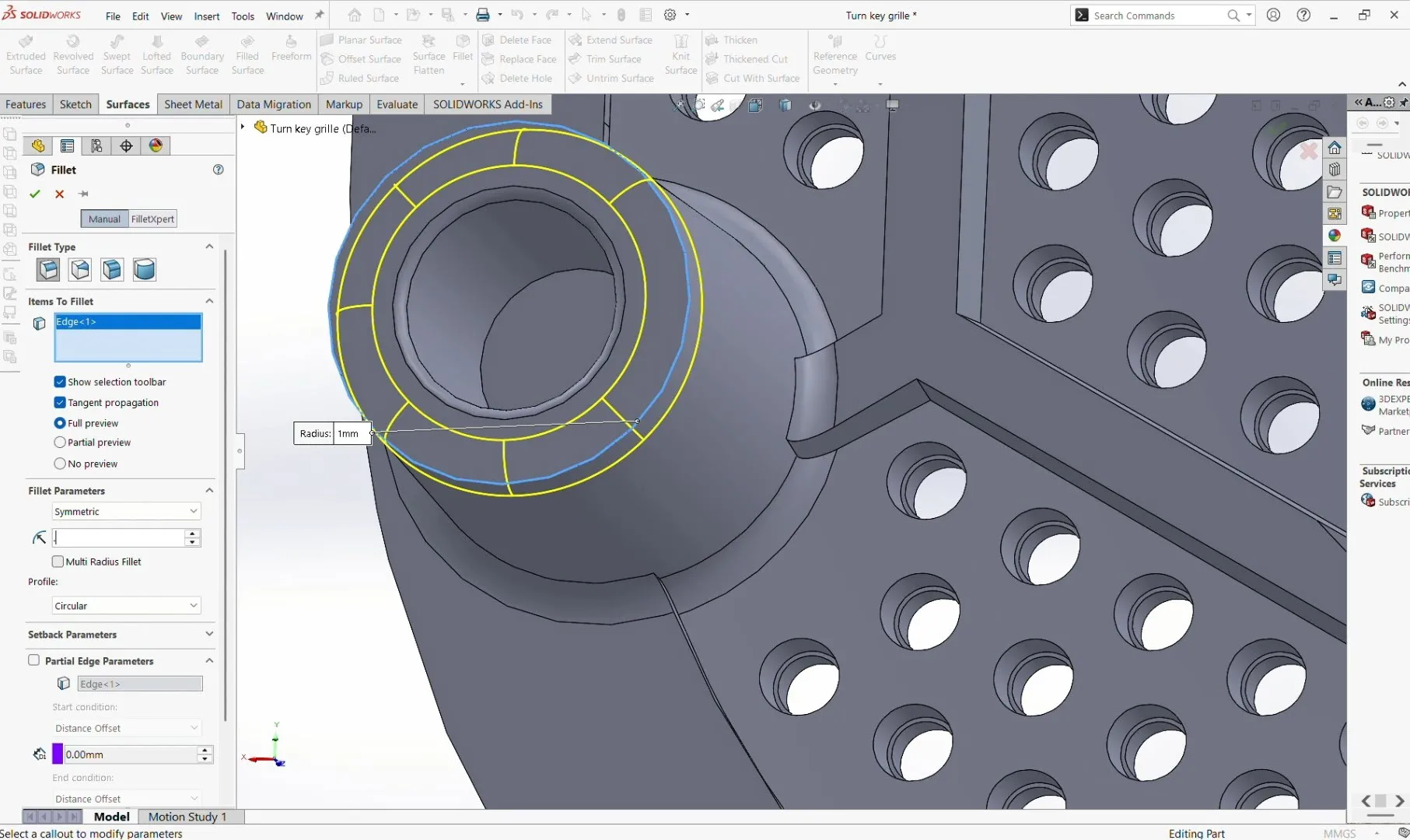
Kicker has used SOLIDWORKS to design their speakers from concept through production
Years later, after deciding not to continue with graduate school, Irby used a roughly $12,000 inheritance to help found a speaker company in Stillwater, Oklahoma. In 1973 Stillwater Designs began building hand-made large speaker enclosures with basic woodworking tools, plywood, and borrowed ambition.
For more than five decades KICKER (the name stems from how the original full frequency-range speaker box, made for use behind pickup truck seats, “really kicked”) has built its reputation around audio systems engineered for demanding environments. What began as a small operation inside a rented building evolved into one of the most recognizable names in aftermarket audio.
KICKER products are now designed and shipped to approximately 1,200 authorized dealers in the U.S. and over 2,000 dealers in approximately 50 countries by nearly 200 employees from a 280,000-square-foot facility. The company continues evolving its engineering capabilities while maintaining the sound characteristics and mechanical performance that defined its brand
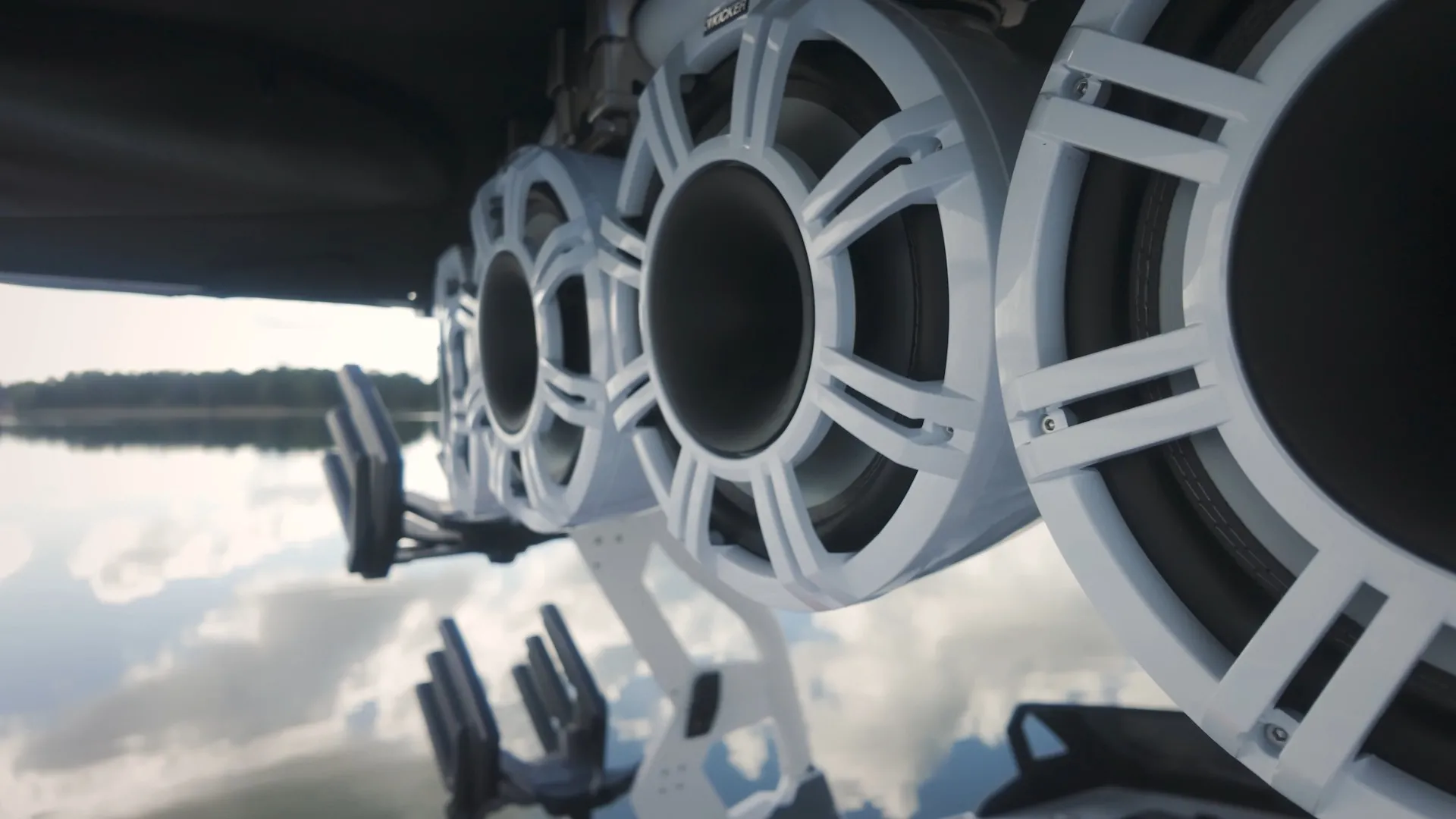
Kicker speakers for boating, designed using SOLIDWORKS
Discover how 3D CAD software improves precision and teamwork, and how SOLIDWORKS Design can transform your workflow.
SOLIDWORKS
Discover SOLIDWORKS Design, the industry-standard 3D CAD software with cloud collaboration, secure file management, and AI-powered features.
SOLIDWORKS
We use SOLIDWORKS from early concepts through prototyping, because we also have 3D printing, CNC machining, and vac forming in-house, we can build and test many of our own tools and prototypes.
According to KICKER OEM Mechanical Engineer Dennis Hotson, one of the main engineering challenges in designing high-excursion subwoofers is controlling the movement of the speaker cone. Because the cone must move farther to produce deep bass, the surrounding components are exposed to significant mechanical stress. The surround, which helps keep the cone centered and controlled, can become unstable as movement increases. The challenge for KICKER is designing the cone, surround, and related components so they can repeatedly withstand that motion without losing control, distorting sound, or failing over time.
Market pressure eventually drove innovations such as square subwoofer geometries and high-power enclosure systems. The challenge was not simply producing louder audio. It requires maintaining structural stability, managing cone motion, and designing components capable of surviving continuous mechanical stress inside automotive environments.
Those engineering constraints have shaped KICKER’s product development process, especially as car audio customers look for more bass from smaller spaces. Irby describes the company’s ongoing push toward higher output and smaller enclosure volumes. “People are wanting to put more and more speakers in their cars, and there's limited space,” he explained while discussing the development of the company’s Solo-Baric subwoofer architecture, which produce big sound from a small footprint.
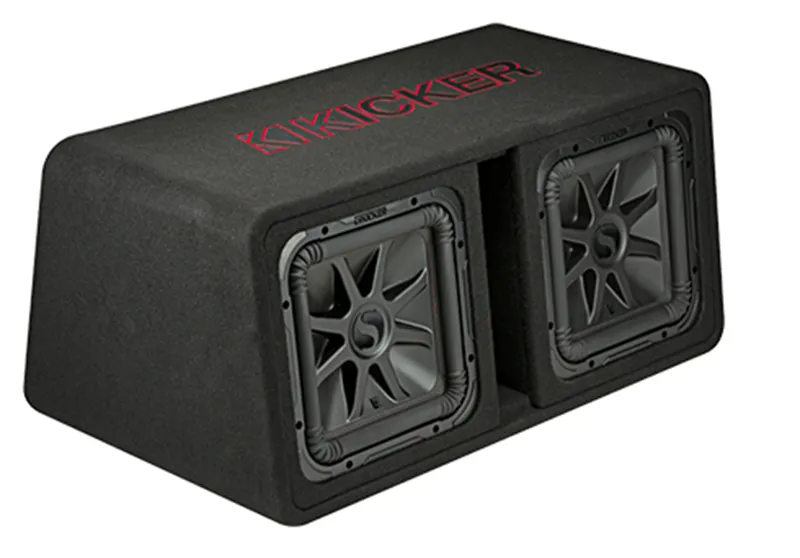
Wedge speakers designed in SOLIDWORKS
KICKER’s product development process increasingly depended on the ability to move quickly between concept, prototype, testing, and revision. That process required product development tools flexible enough to support everything from sheet metal and molded components to subwoofer assemblies.
KICKER also needed engineering design software capable of supporting complex mechanical design, 3D printing, manufacturing, and fast-turn design cycles. To support that level of engineering execution, KICKER integrated SOLIDWORKS® Design across its product development workflow. “We use SOLIDWORKS from early concepts through prototyping,” Hotson noted. “Because we also have 3D printing, CNC machining, and vac forming in-house, we can build and test many of our own tools and prototypes.”
That integration allows KICKER engineers to move rapidly between digital models and physical validation. Designs can be revised, prototyped, tested, and refined without depending entirely on outside fabrication resources. KICKER also relies heavily on iterative refinement to achieve the company’s distinctive sound profile. “We'll do several revs to get that [perfected] KICKER sound,” Hotson explained. Delete Face is one of Hotson’s favorite SOLIDWORKS features because provides a practical way to fix or manipulate stubborn geometry, which accelerates the design process.
Although KICKER’s focus remains technical, its long-term success also reflects an engineering culture centered on experimentation and adaptation. Over the years, the company expanded from simple wedge enclosures into advanced subwoofer systems capable of producing substantially higher output from smaller packaging volumes.
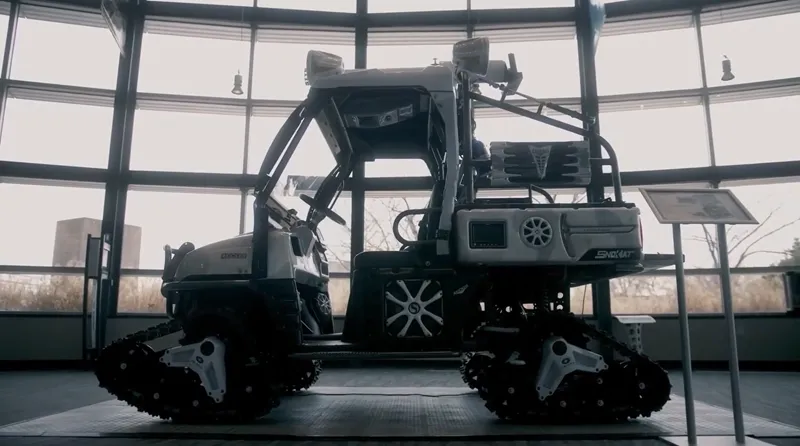
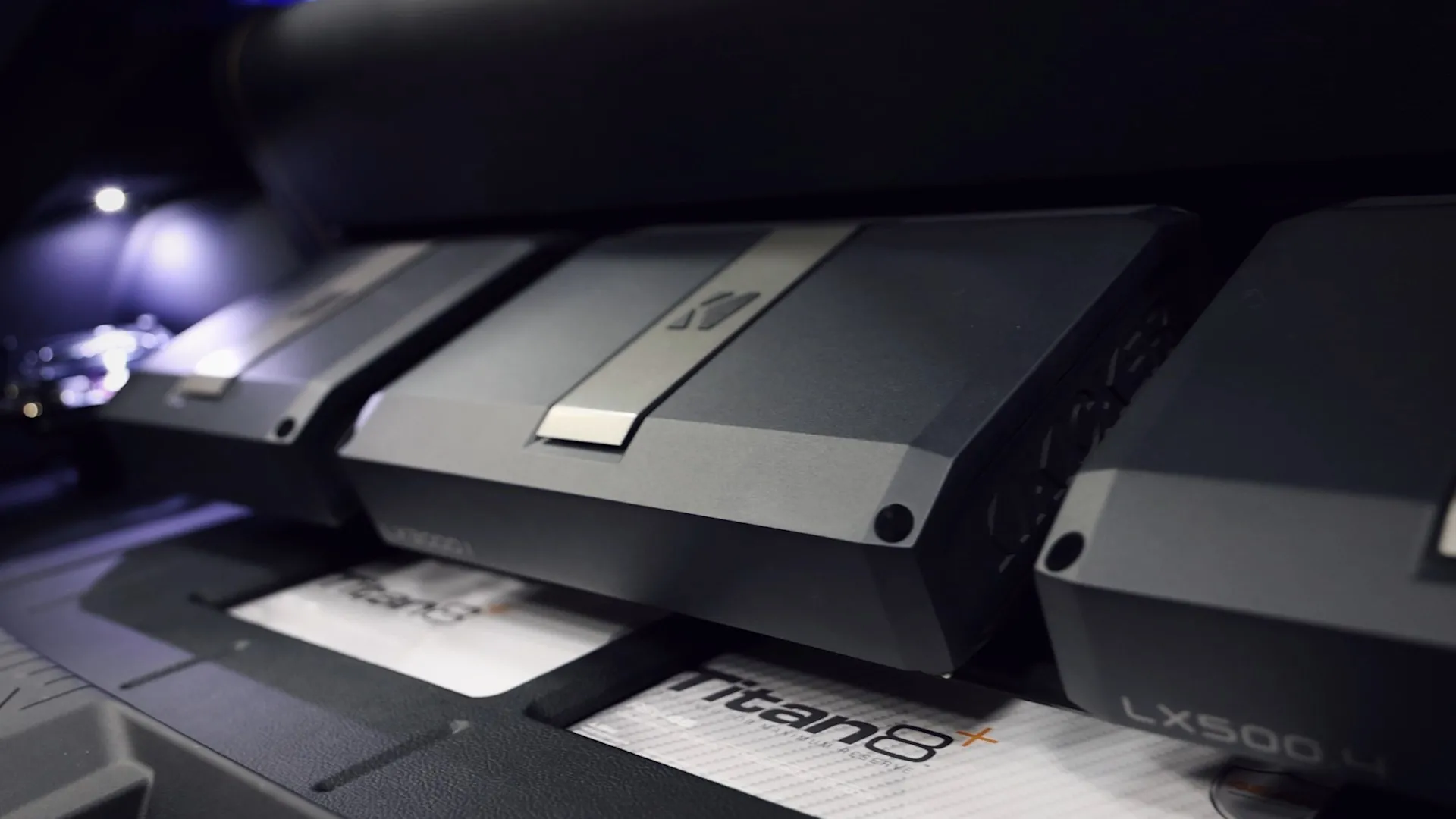
Kicker speakers are designed to be used for any vehicle
Those developments required continuous iteration, internal collaboration, and disciplined engineering execution supported by design collaboration tools and ongoing SOLIDWORKS training.
KICKER’s growth from a small startup into an internationally recognized car audio manufacturer reflects a sustained commitment to engineering problem-solving and product refinement. SOLIDWORKS Design now serves as a foundational tool supporting that ongoing evolution. “SOLIDWORKS has helped KICKER keep our reputation because we're always innovating, we're always doing new designs, and it allows us to keep moving,” notes Hotson. “It helps us design quicker, and it helps get from concept to market faster.”
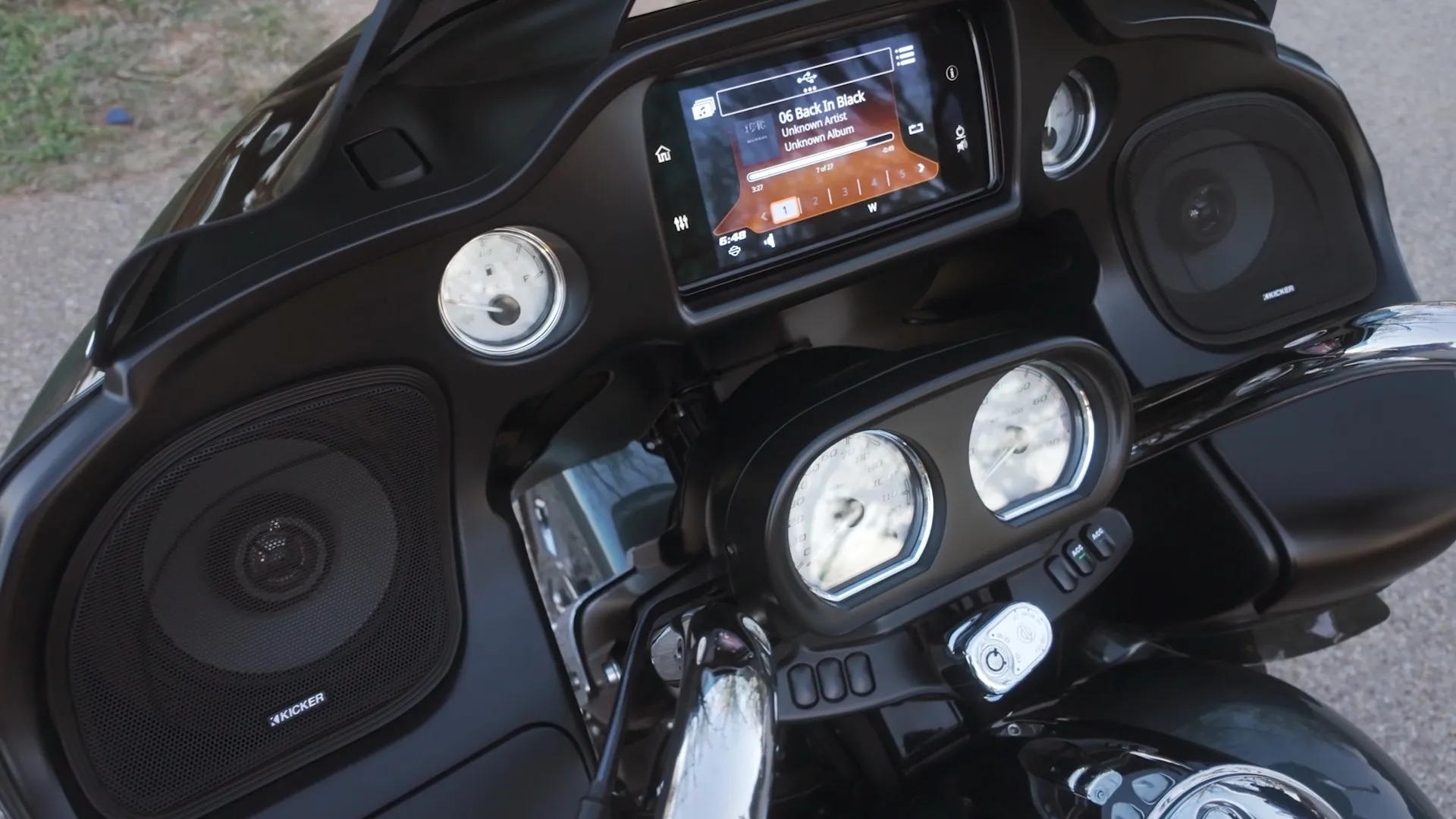
Kicker Motorcycle speakers designed in SOLIDWORKS
This KICKER SOLIDWORKS customer story demonstrates how engineering teams can combine practical manufacturing workflows, iterative design methods, and advanced modeling tools to support long-term product innovation. For organizations evaluating engineering design software, KICKER’s experience illustrates how disciplined execution, supported by the SOLIDWORKS community and proven development tools, can help sustain a competitive product development process over decades of continuous evolution.
Innovate faster, design better & grow your career with SOLIDWORKS. Choose the industry standard 3D CAD solution trusted by professionals worldwide.
SOLIDWORKS
Discover advancements in AI CAD tools and their impact on AI product design and how this delivers real-world outcomes for SOLIDWORKS designers.
SOLIDWORKS
Discover what unified Modeling & Simulation (MODSIM) is and how it transforms product design, enabling real-time collaboration and faster innovation.
SOLIDWORKS
This guide will help you evaluate CAD system criteria such as ease of use, collaboration capabilities, data management, and scalability.
EBooks
SOLIDWORKS solutions enable you and your team to quickly transform new ideas into great products.