
PSYONIC Brings Prosthetic Design into the 21st Century
Robotics engineering company leverages the SOLIDWORKS for Startups Program to build a durable, impact-resistant bionic hand designed for everyday use.
Challenge
Transform a bionic-hand prototype into a commercially viable product that withstands repeated real-world mechanical loads, delivers human-like motion, and uses a modular architecture that users can easily get serviced and repaired.
Solution
Through the SOLIDWORKS Startup Program, the team used SOLIDWORKS and SOLIDWORKS Simulation for iterative 3D modeling, joint-motion simulation, rendering, and digital prototyping to refine durability, validate kinematics, and assess manufacturability before physical builds.
Results
- Finger structures engineered to withstand approximately 350,000 flexion cycles
- Modular finger design enables in-clinic replacement in approximately 10 minutes
- Mechanical joints optimized for proper kinematics and maximized range of motion
- Thousands of design iterations executed to refine durability and performance
PSYONIC founder and CEO Dr. Aadeel Akhtar was seven years old and visiting Pakistan with his parents when he met an amputee for the first time. She was his age but didn’t have access to the healthcare that he did.
“That's the first time I met someone with a limb difference. She was my age, living in poverty, missing her right leg and using a broken tree branch as a crutch.” The experience stuck in Akhtar’s mind. It inspired him to enter the medical field and eventually start PSYONIC in San Diego, California, in 2015. The mission: To help develop advanced bionics technologies that are affordable for everyone.
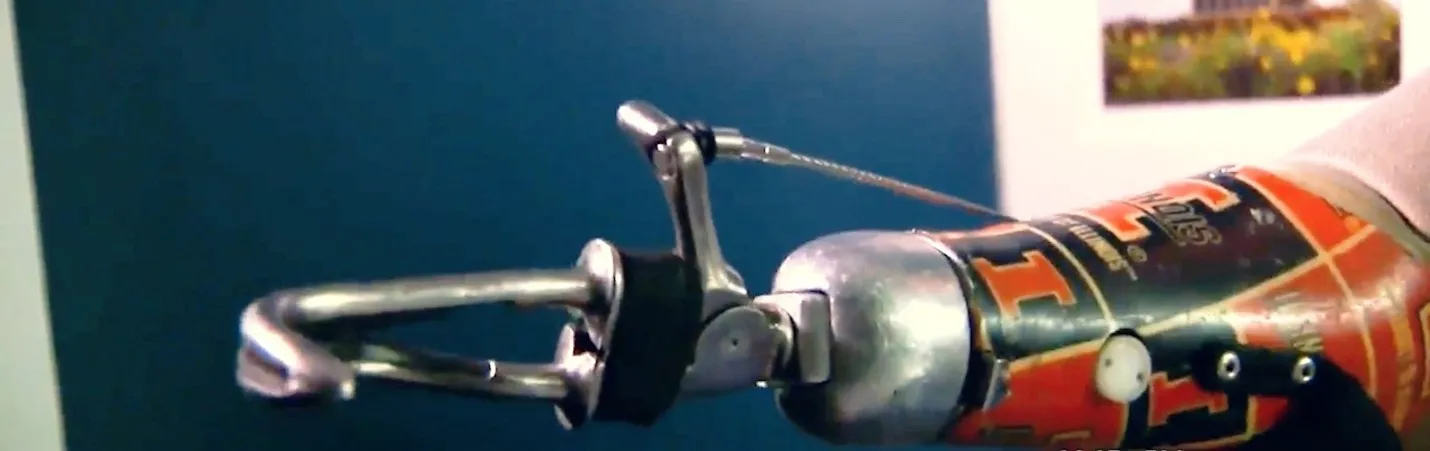
Prosthetics have existed for thousands of years. Some prosthetics in use today were in fact designed during the Civil War era. One of the primary struggles in prosthetic design is to balance functionality, durability, and accessibility. Research prototypes often demonstrate possibility, but turning those prototypes into reliable, manufacturable products presents an entirely different challenge. The research-driven innovation prosthetics manufacturer faced that exact transition.
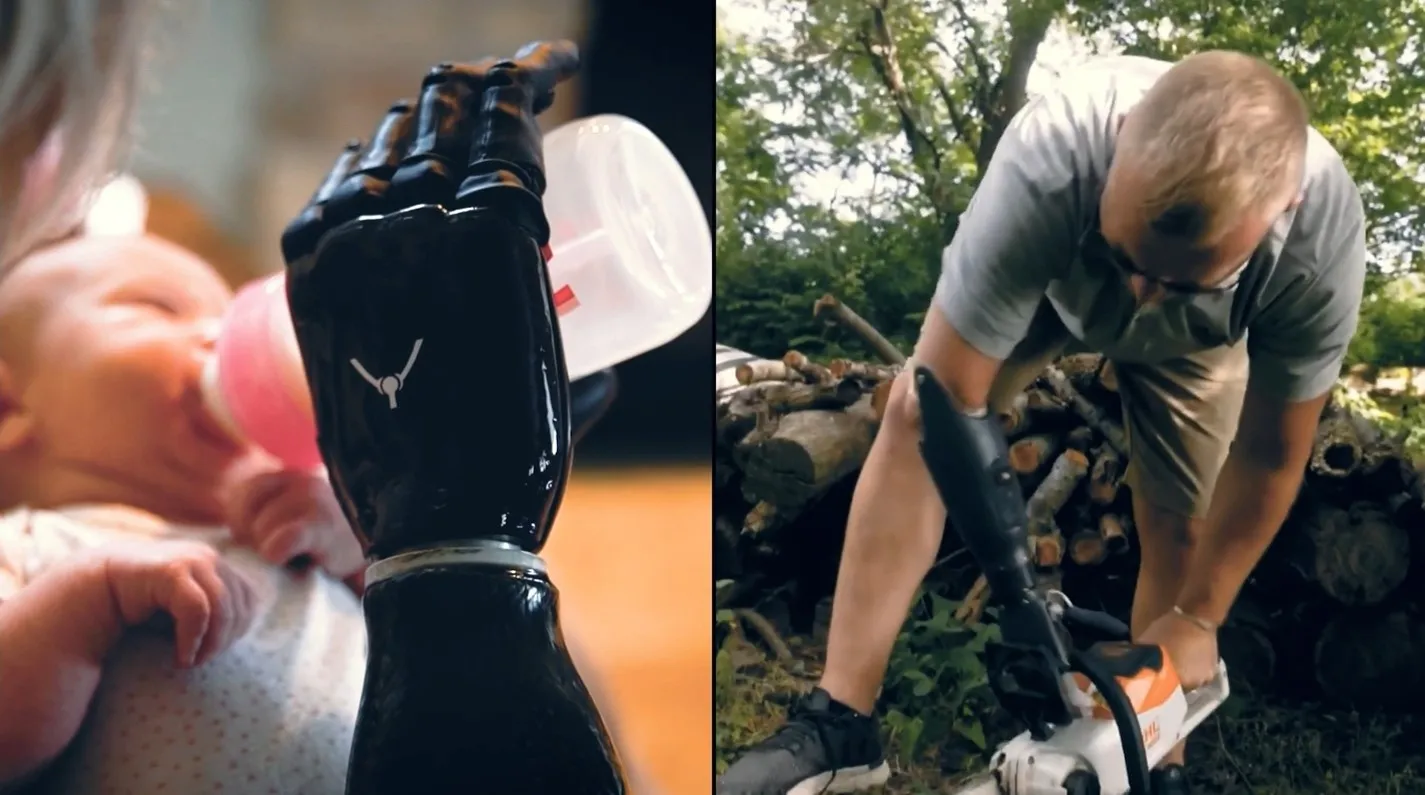
PSYONIC’s flagship device, the Ability Hand, needed to move beyond a laboratory concept. It had to survive impact, repetitive motion, and the unpredictability of everyday life while maintaining precise motion and streamlined serviceability.
Engineering for Durability and Motion
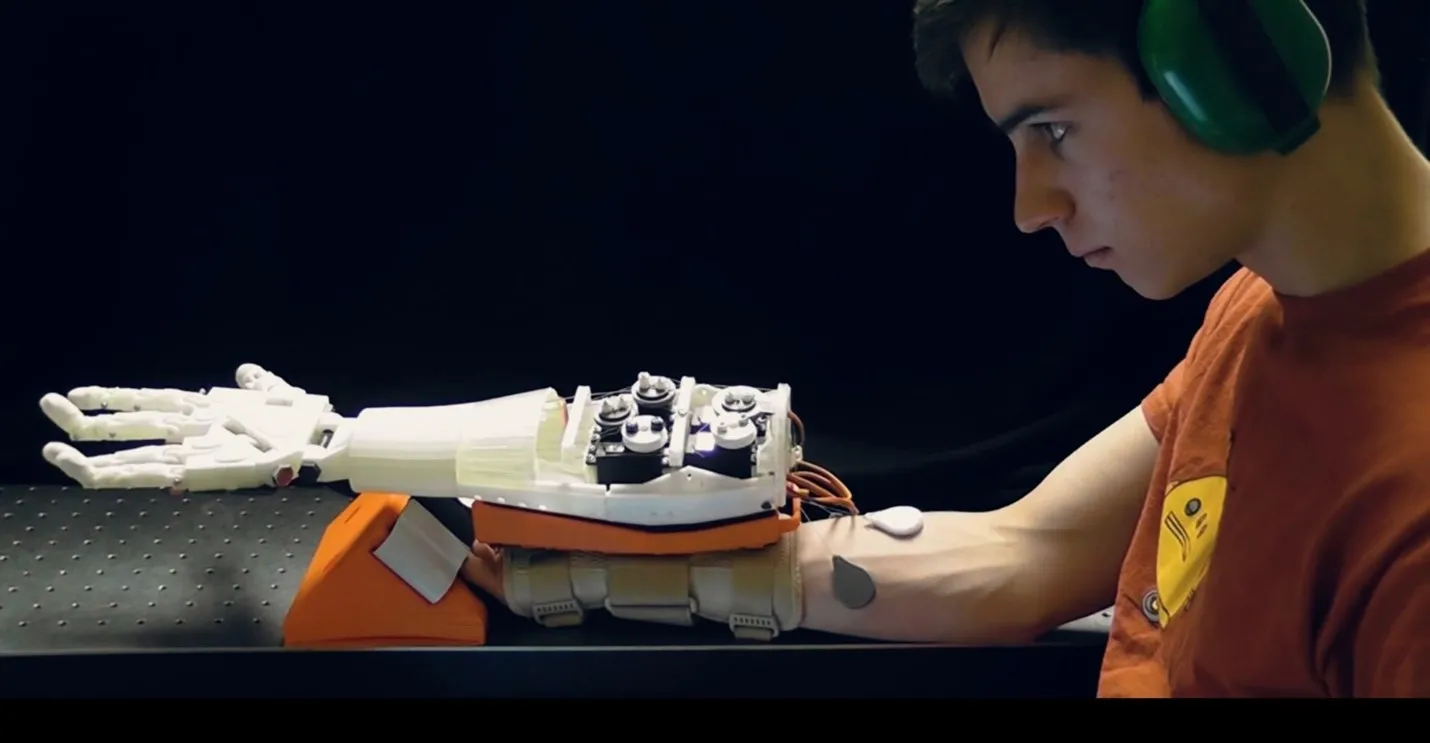
PSYONIC’s early prosthetic hand prototype was functional but far from production ready. “You have to imagine, the prototype of the Ability Hand at that time was three times the size of a normal human hand,” Akhtar points out. He further explained that the early prototype was cluttered and difficult to manage, with wires running in multiple directions, and it was connected to breadboards (i.e., a reusable, solderless prototyping platform), external power supplies, and ultimately to a wall outlet.
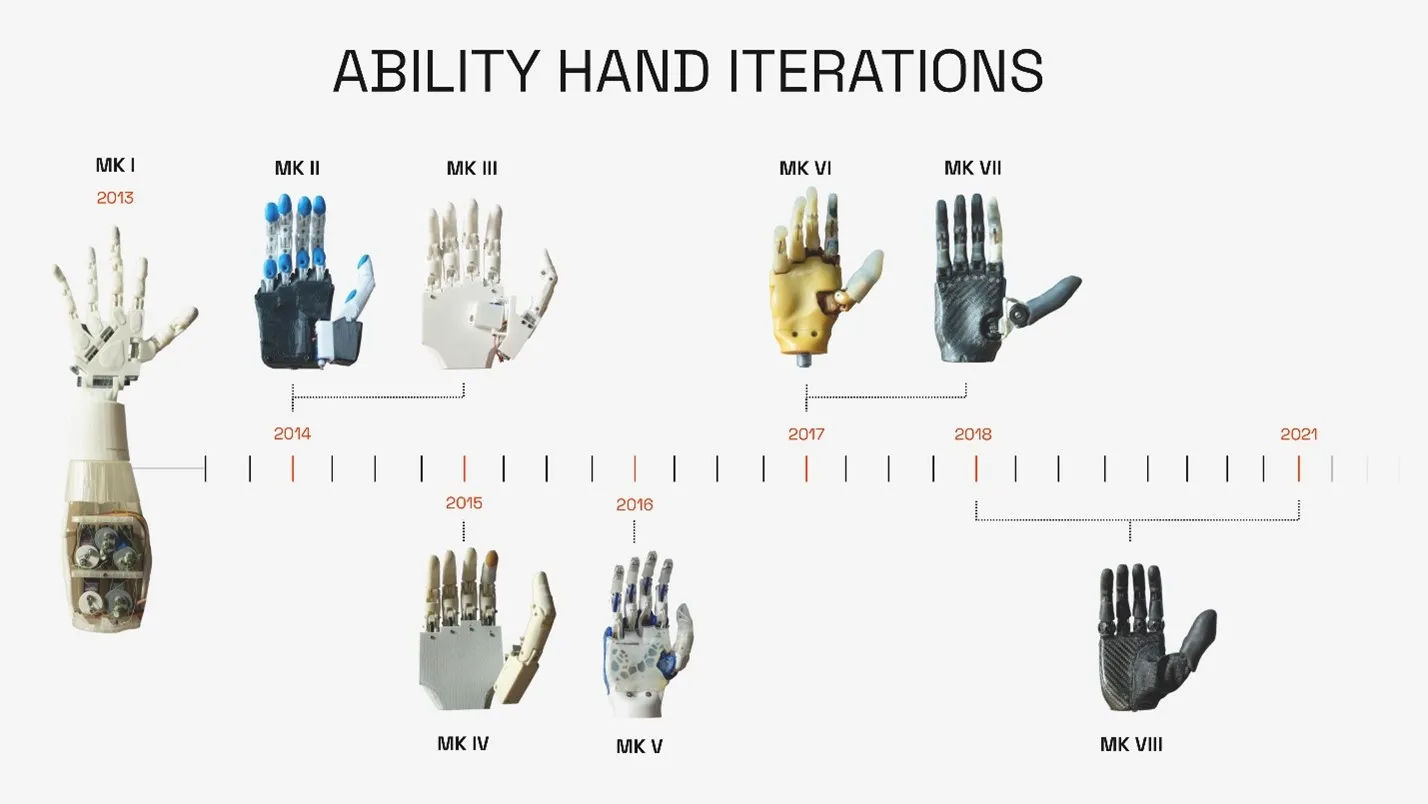
To move from that early system to a commercial product required disciplined mechanical refinement. The team had to ensure structural durability under repeated use. “We had to make sure that our finger bones could last 350,000 cycles of flexion and extension,” notes Akhtar.
Related Resources
Now every single component that we design for the hand and all the peripheral components—we've done all of that in SOLIDWORKS. We've gone through thousands of iterations.

Impact resistance was equally critical. According to Akhtar, “The fingers are pliant, so I can take the Ability Hand and I can smash it. It survives the impact.” He further notes, “I've dropped it from the roof of my house 30 feet off the ground. I've stepped on it. I've put it in a clothes dryer for 10 minutes, and it survived!”
The engineering requirement was clear: The Ability Hand had to withstand both repetitive internal stresses and unpredictable external forces.
Designing Every Component in SOLIDWORKS
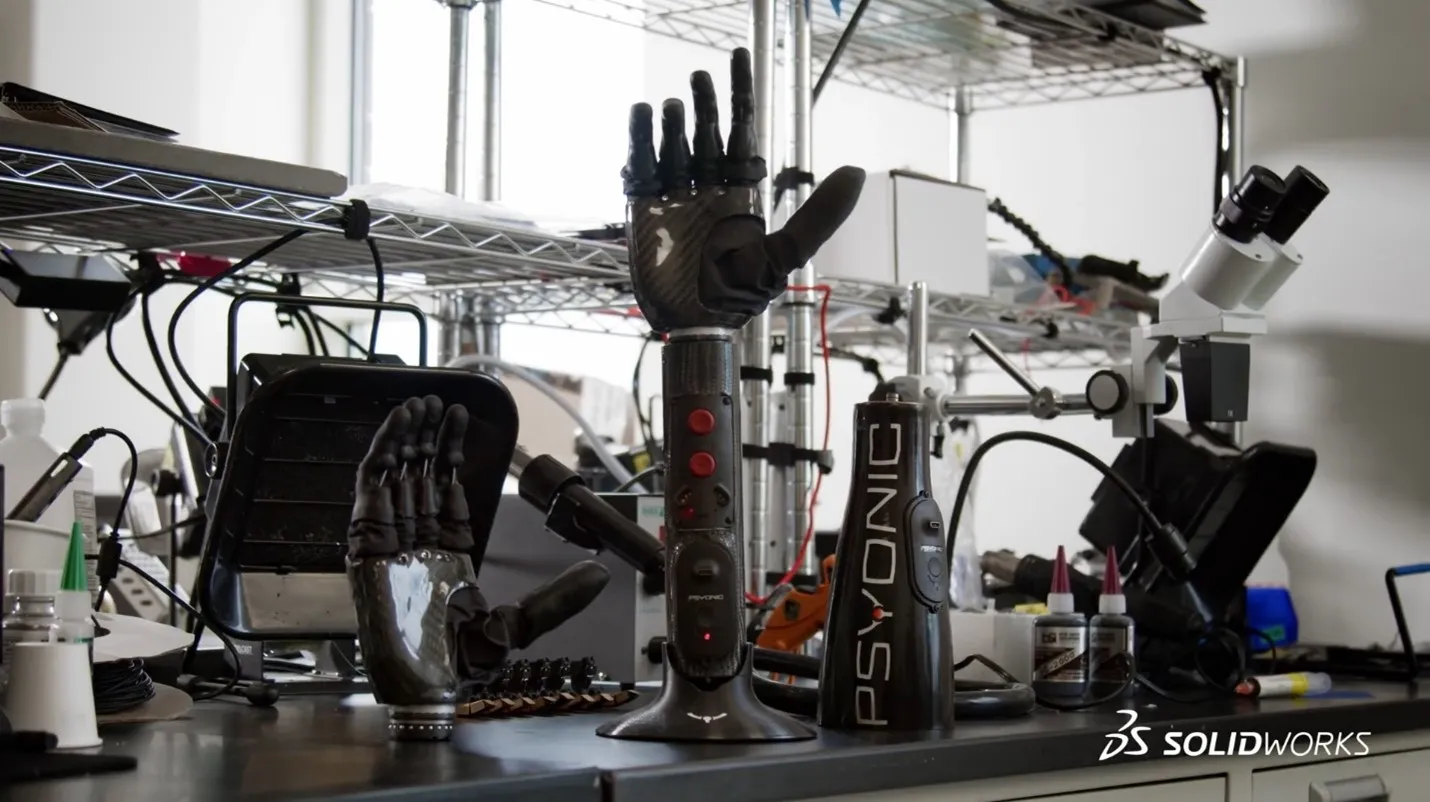
To meet those constraints, PSYONIC designed every component of the Ability Hand and its peripheral components in SOLIDWORKS®. Akhtar states, “Now every single component that we design for the hand and all the peripheral components—we've done all of that in SOLIDWORKS. We've gone through thousands of iterations.” Those iterations included testing numerous mechanical concepts. The team generated hundreds of design concepts and produced numerous 3D-printed prototypes, many of which did not pass initial testing.
Mechanical motion was evaluated with SOLIDWORKS Simulation tools. Akhtar notes, “We do a lot of the simulation of the mechanical joints. We want to make sure that the kinematics are proper, and the range of motion is maximized so we can get the most functionality for our users.”
Early access to professional design tools played a pivotal role in PSYONIC’s launch. Akhtar notes that the SOLIDWORKS for Startup Program was critical in enabling the team to get off the ground as a bootstrapped startup.
From Prototype to Serviceable Product
Engineering durability is only part of commercialization. Clinical serviceability also matters. According to PSYONIC Creative Marketing Manager Dale Demasi, “If something happens to a finger [on the Ability Hand], it can be replaced in 10 minutes by removing just three screws.”
The Ability Hand’s modular design approach reduces downtime and simplifies maintenance without requiring complete device replacement. Demasi further explains the practical benefit: “You don't have to wait weeks or months to get your hand repaired. You can have it repaired in the clinic while you wait.”

Learn More About SOLIDWORKS
Have questions about SOLIDWORKS Solutions?
SOLIDWORKS solutions enable you and your team to quickly transform new ideas into great products.