Common Challenges in Engineering Change Management
Change in product development isn't just a necessity—it's an inevitability. Whether it's a design improvement, field failure correction or regulatory update, every engineering change affects engineering, manufacturing, procurement, compliance and beyond.
Yet, despite its critical role, engineering change management can be one of the most frustrating, time-consuming and costly processes for companies, often because reliance on outdated, manual or siloed approaches introduces unnecessary complexity, inefficiency and risk. Here are just four challenges.
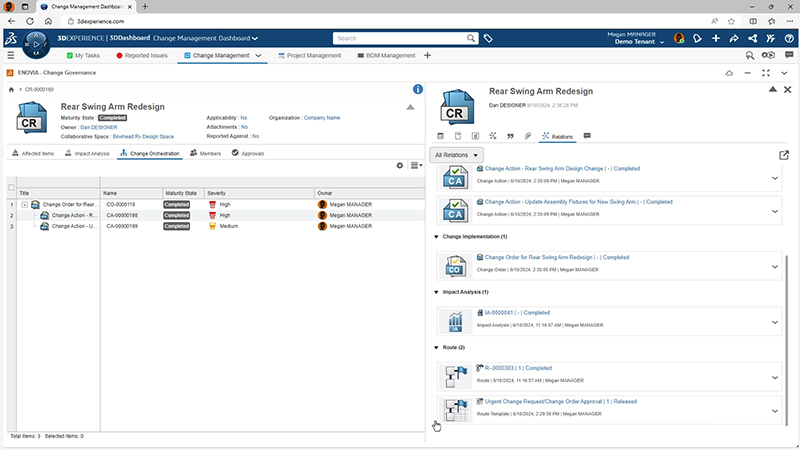
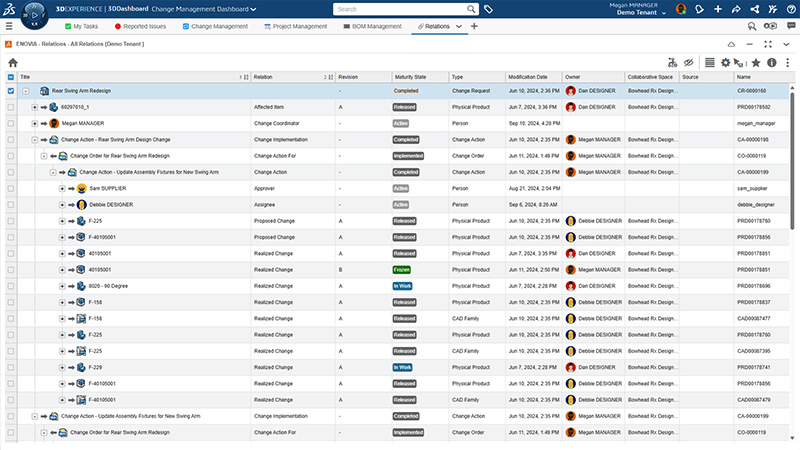
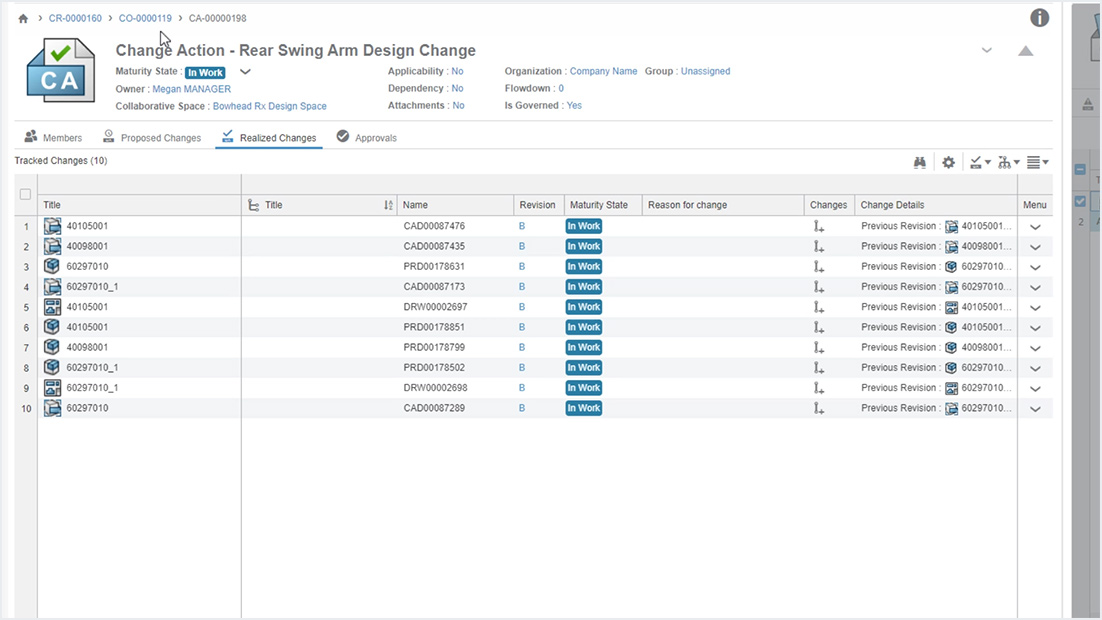
- Lack of a Centralized System for Managing Changes – Most companies have a change management process, but many lack a system for effective management. Without a centralized digital solution, changes are often tracked in paper-based approvals that get lost or misfiled; email chains without clear accountability; Excel spreadsheets that lack real-time visibility; and disparate systems (PLM, PDM, ERP, Jira, etc.) that don't talk to each other. The result is miscommunication, duplicated efforts and costly errors.
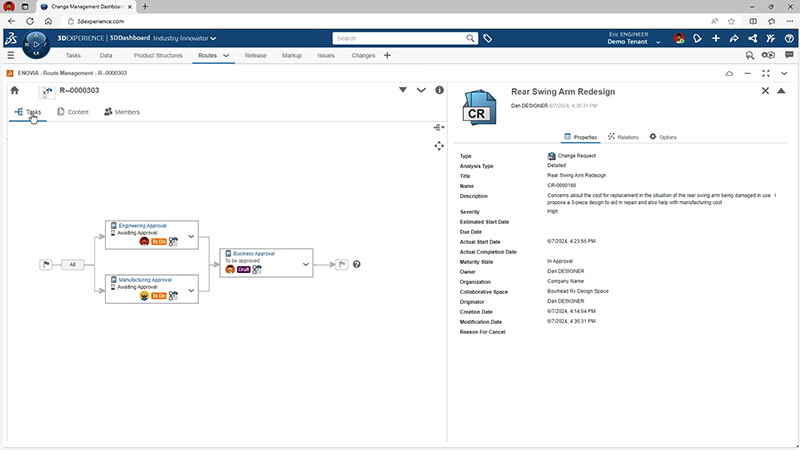
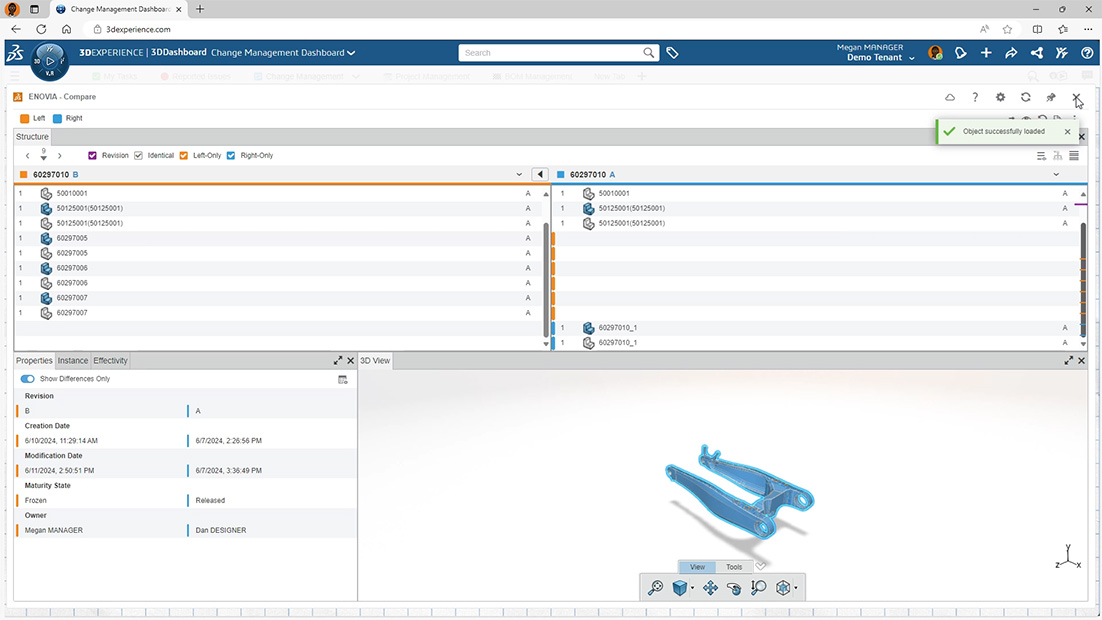
- Unnecessary Time and Effort Spent on Change Tasks – Engineers don't start their day thinking, "I'd love to fill out paperwork today." But in many organizations, that's exactly what change management feels like. Countless emails and meetings are needed to get the entire engineering team in alignment. Creating screenshots to document a proposed change is clunky and slow. Manual tracking of approvals requires a herculean effort. Worst of all, these administrative burdens rob engineers of the time to generate revenue by building innovative products faster and more efficiently.
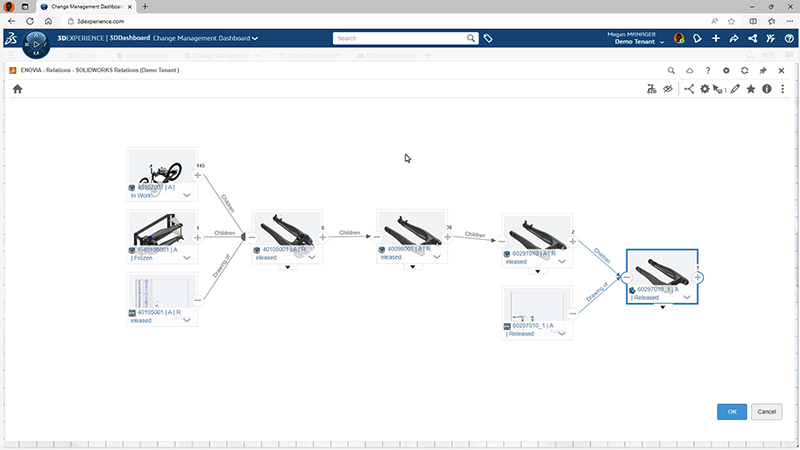
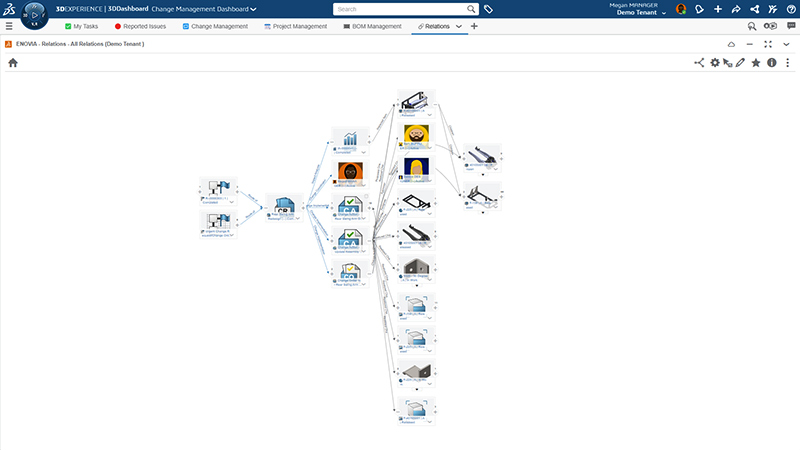
- Poor Visibility into the Full Impact of Change – No engineering change happens in a vacuum. A single design tweak might necessitate new supplier qualifications. A change in product materials may affect manufacturing processes. Part replacement could require regulatory re-certification. Without a structured impact analysis, teams make uninformed decisions that lead to supply chain disruptions, production delays or expensive recalls.
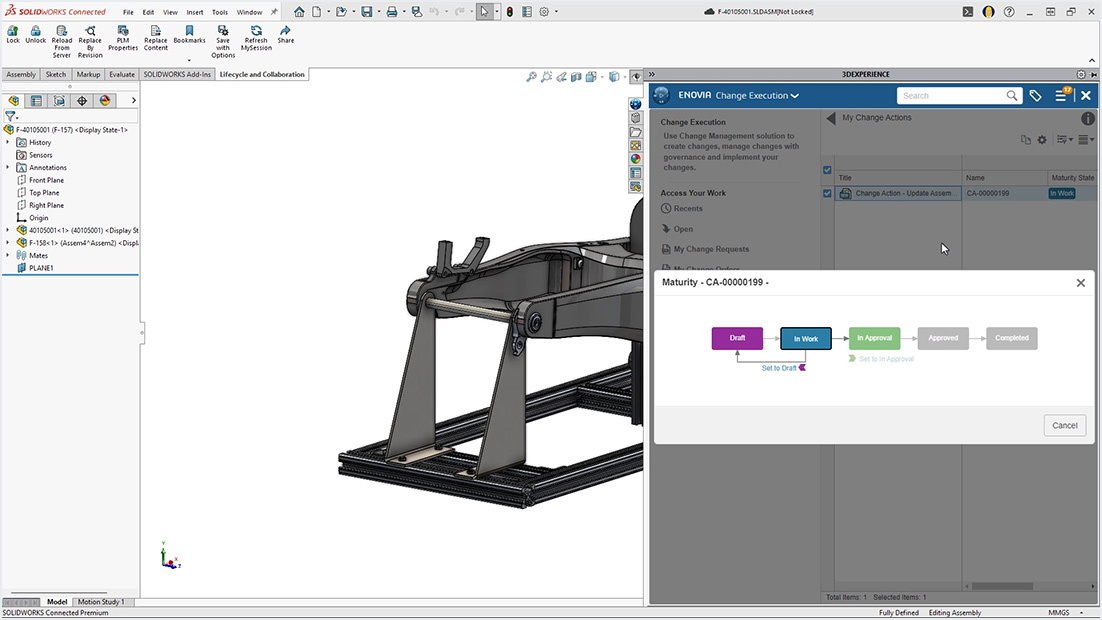
- Inefficient Communication Across Departments – Without a centralized digital system, departments operate separately, lacking a clear roadmap to coordinate updates. This leads to manufacturing being uninformed of a design change, procurement ordering outdated parts or field teams unaware of critical product modifications. Without clear communication, change becomes a costly mess resulting in wasted materials, rework and missed market deadlines.