Industrial SMBs face rising costs, labor shortages, and supply disruptions that lock in up to 70% of their operational costs once a facility layout is finalized. SOLIDWORKS Manufacturing Solutions on the 3DEXPERIENCE platform let you validate every layout, automation strategy, and process change virtually before you commit a dollar to the shop floor.
Heavy Metal, Big Challenges
Build Operational Certainty Before You Build Anything
Four Pressures Reshaping Industrial Operations
Running a competitive operation today means managing threats that compound each other fast:
- Skilled Labor Shortages: Retirements are outpacing new talent, and existing workers lose productive hours to inefficient layouts and manual processes.
- Rising Costs and Capital Pressure: Materials, energy, labor, and equipment investments are all getting more expensive, leaving less room for error in facility or automation decisions.
- Supply Chain Disruptions: Shortages, delays, and price swings make planning harder, and overstocking to protect production only hurts cash flow and space utilization.
- Sustainability and Compliance Demands: Manufacturers must reduce waste, improve efficiency, and stay compliant without sacrificing profitability.
Designing the Machines That Build the World | SOLIDWORKS for Industrial Equipment
Five industrial equipment makers. One design platform. Hear from Laitram Machinery, DevelopLLC, Schur, Metalworks, and Vermeer on how SOLIDWORKS helps them design smarter machines and get them to market faster.
From Trial-and-Error to Digital Certainty
Reactive management and costly trial-and-error are no longer sustainable for manufacturers under this much pressure. SOLIDWORKS Manufacturing Solutions, deployed from the 3DEXPERIENCE platform, give you the tools to build accurate digital twins of your workflows and facility. Simulate proposed layouts, test automation strategies, and assess process changes before spending on physical updates.
Instead of discovering bottlenecks after installation, you forecast ROI, identify constraints, and quantify the true impact of every decision in advance. You don't just plan for change. You validate each step for measurable business value before anything is built.
The Numbers Behind the Case for Digital Certainty
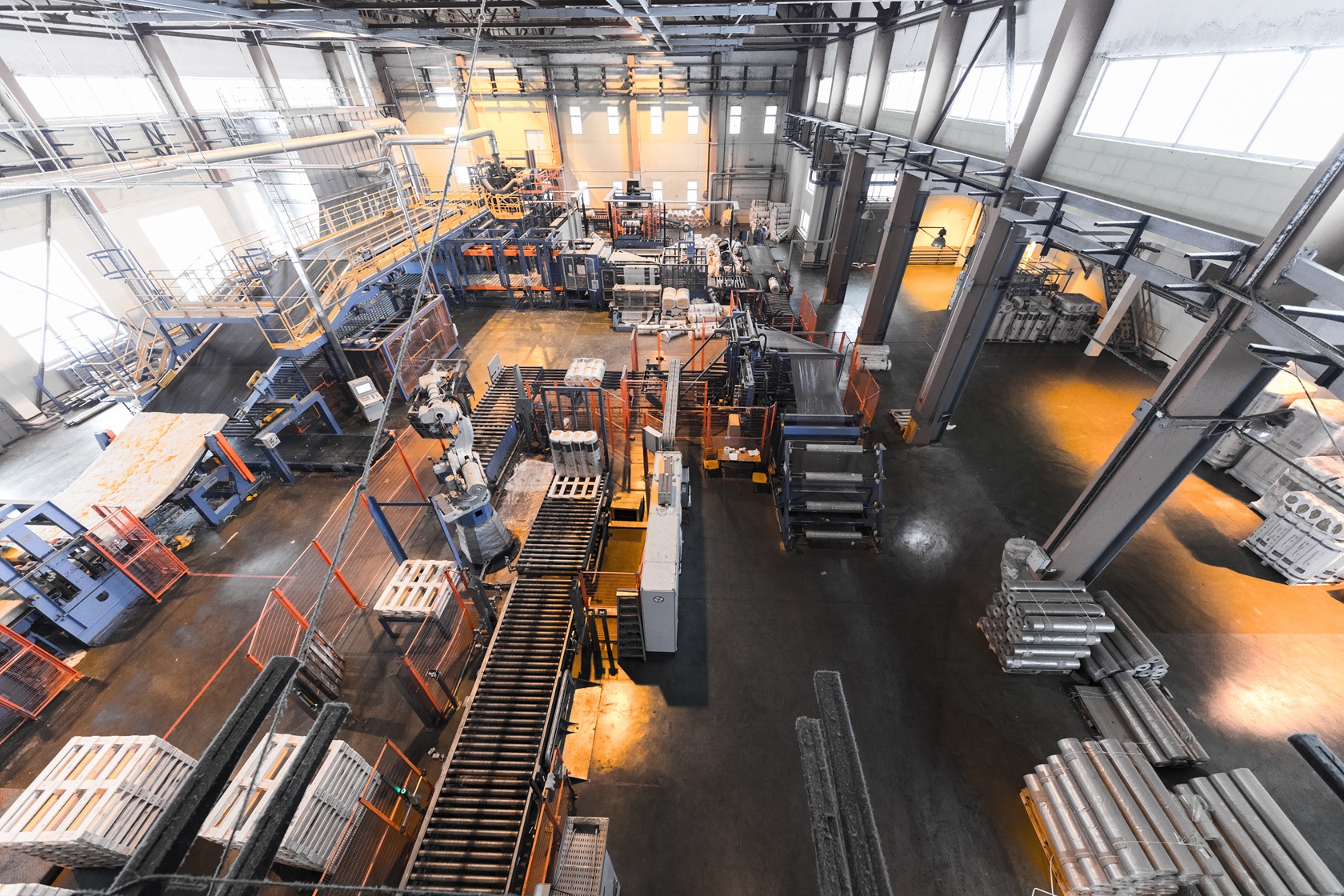
- 70%: Up to 70% of a facility's operational costs are locked in once the layout is finalized, making early missteps extremely costly to reverse
- 25%: Customers using SOLIDWORKS solutions report up to a 25% improvement in new equipment efficiency after refining changes virtually.
- Stronger inventory turnover: Customers leveraging SOLIDWORKS solutions have achieved greater inventory turnover and reduced working capital requirements while strengthening their capacity to weather supply disruptions.
- Faster buy-in: Visual, data-driven simulations help teams and leadership align more quickly and build stronger business cases for investment.
Get the Full Picture
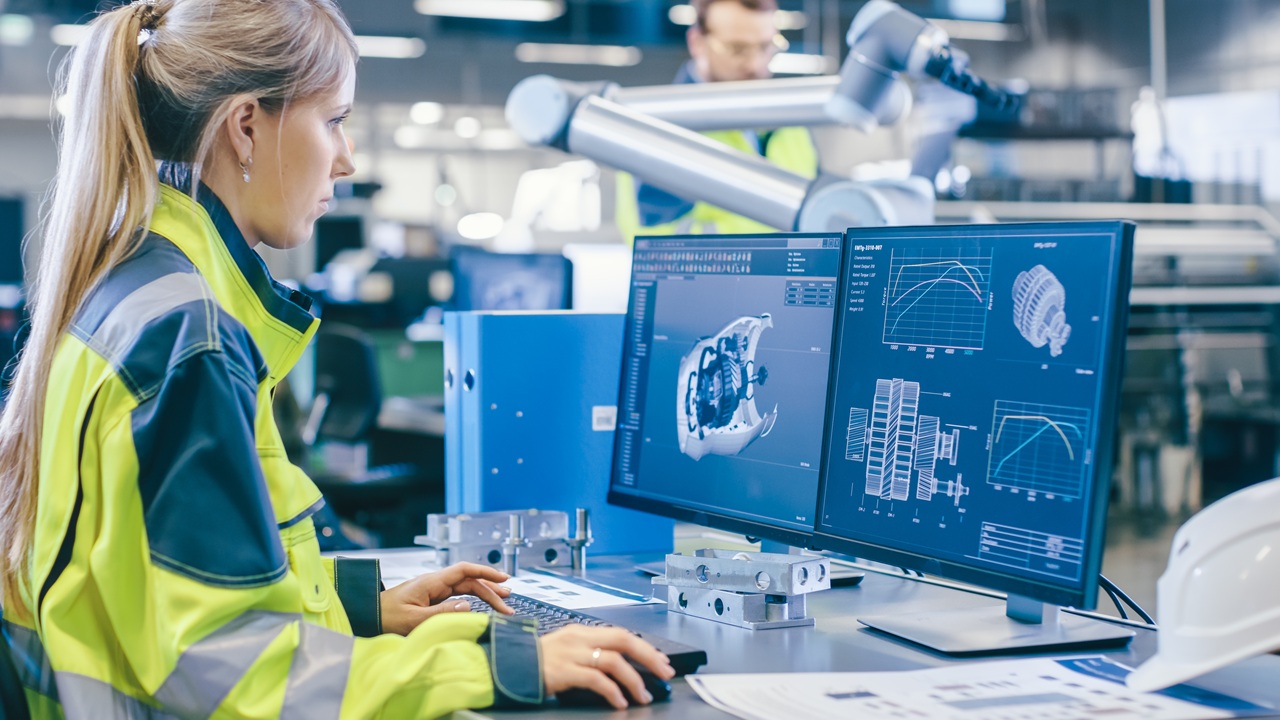
Surviving and Thriving as an Industrial SMB
Get a detailed look at how labor shortages, automation investment risk, supply chain volatility, and compliance demands are reshaping operational decision-making, and how SOLIDWORKS Manufacturing Solutions help you respond with evidence instead of guesswork.
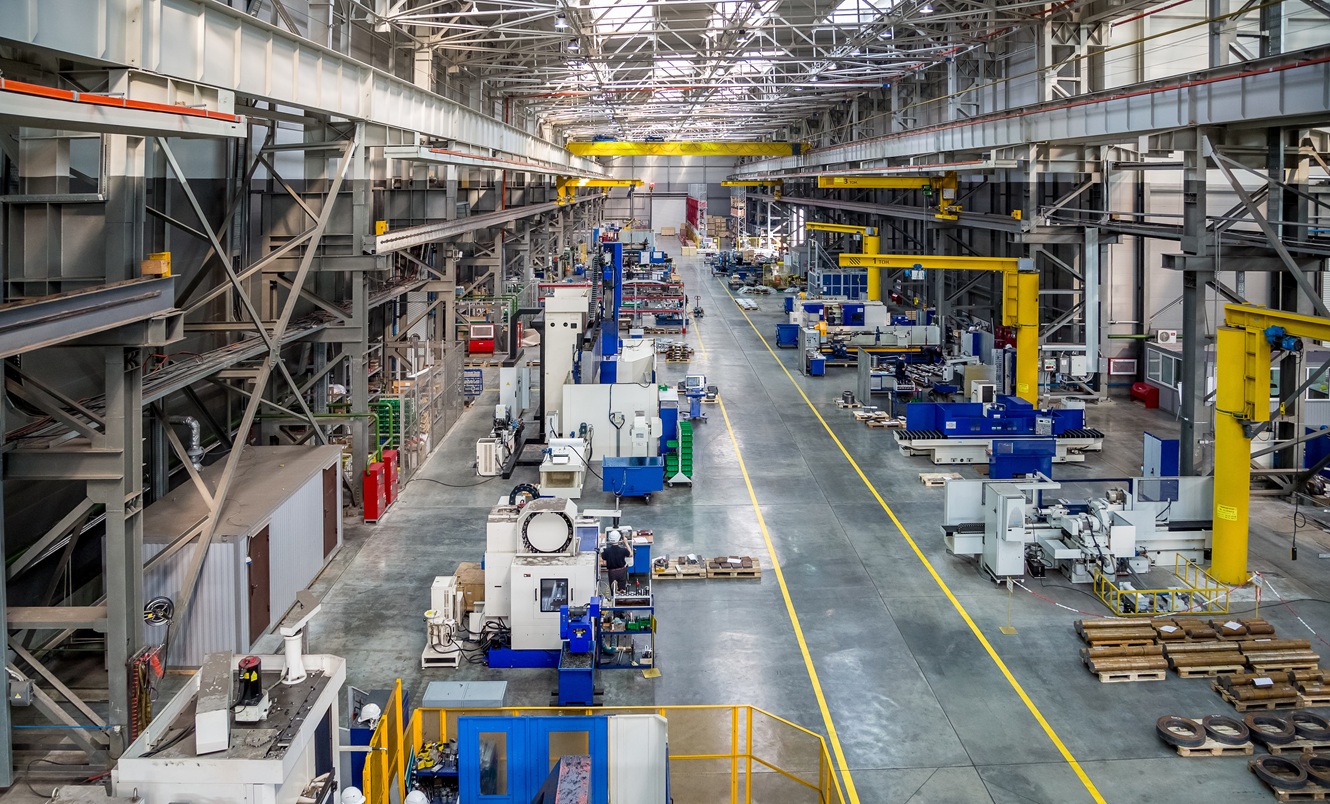
Explore Infographic: Heavy Metal, Big Challenges
Get a fast-reference visual breakdown of the four big challenges, the key proof points, and the SOLIDWORKS capabilities that address each one.
What SOLIDWORKS Manufacturing Solutions Deliver
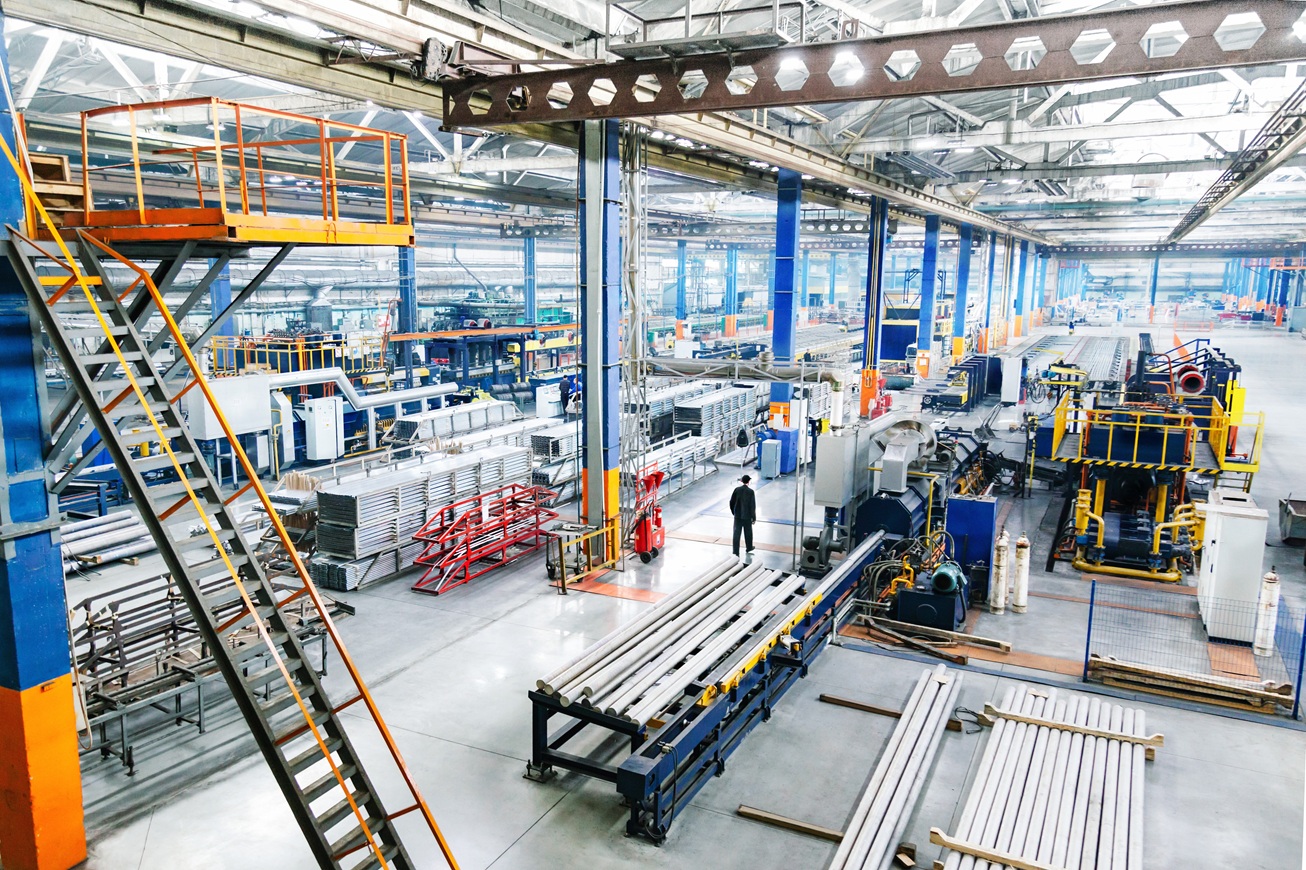
SOLIDWORKS Manufacturing Solutions support a comprehensive approach to digital twin creation, enabling you to model every aspect of shop floor dynamics with scientific precision. These solutions include:
- Factory Simulation Engineer: Build highly detailed, operational models that combine2D layouts, 3D CAD designs, and point-cloud scans, so you can map operatorworkflows, identify process bottlenecks, and assess throughput across every department.
- Robot Programmer: Optimize and test complex robotic tasks, including arc welding andpick-and-place, entirely in the digital twin, ensuring collision-free operation and idealcycle times without interrupting production.
- Shop Floor Programmer: Validate CNC toolpaths and additive manufacturing workflows in advance, bringing 3D printing directly into process planning.
- Throughput Optimization: Dynamically simulate the flow of materials, resources, and personnel, adjusting conveyor speeds, adding quality checks, or reallocating labor and seeing the consequences in real time.
- What-If Scenario Modeling: Test the outcome of every proposed change before committing capital, removing guesswork from scaling and investment decisions.
- Digital Facility Planning: Integrate legacy equipment, new machinery, and entire building structures into a single, unified digital environment, regardless of scale or data source.
Turn Operational Risk Into a Competitive Advantage
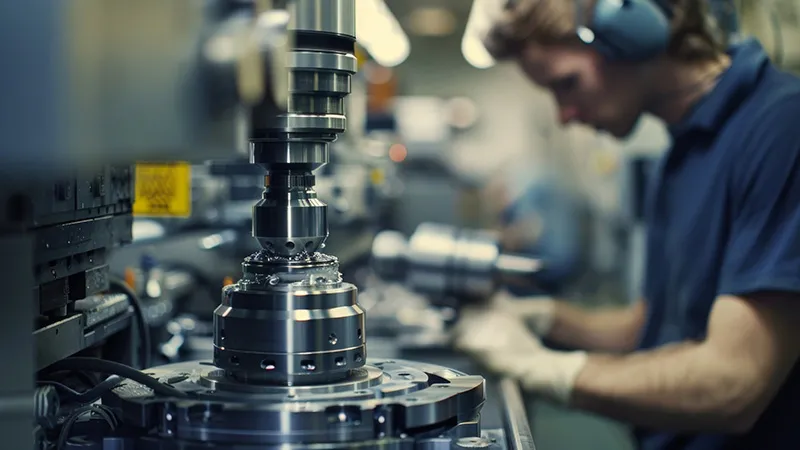
Every layout decision locks in cost. Every automation investment carries risk if it's untested. Every supply disruption threatens output if your inventory strategy relies on guesswork. SOLIDWORKS Manufacturing Solutions on the 3DEXPERIENCE platform replace that uncertainty with evidence, letting you optimize labor, control inventory, and maximize return on automation and capital with confidence.