Defining Industrial Design Engineering
Industrial design engineering teams first focus on understanding their users and their needs instead of jumping cold into initial concepts and designs.
User-Centered Focus
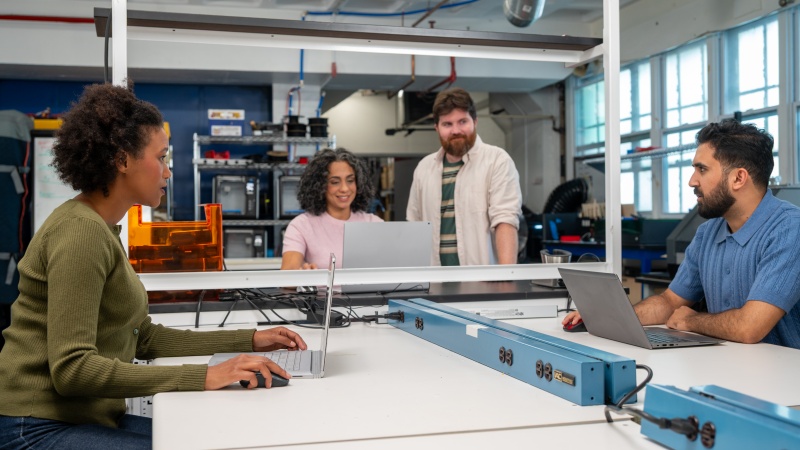
The discipline of industrial design places top priority on capturing user feedback early in the product design and development process. Working in unison with engineering and manufacturing, industrial design teams first determine the key technical problems by conducting thorough user-centric research (typically called human factors engineering) and work directly with users to accurately define unmet needs. This work gets translated into product development insights that drive specific solutions that are attractive, easy to use, and can be efficiently manufactured.
What Does an Industrial Design Engineer Do?
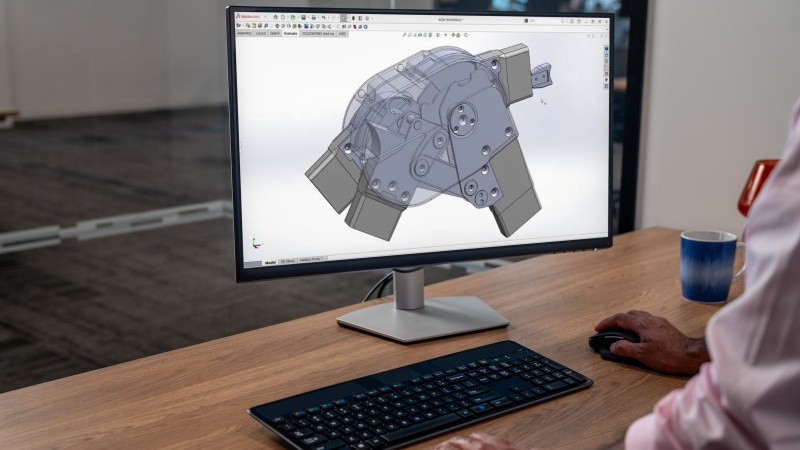
An industrial design engineer bridges design and engineering responsibilities in a single contributor role. Day-to-day work spans user research, conceptual design, CAD modeling, and collaboration with manufacturing teams.
Industrial design engineers use digital models and prototypes to validate design decisions in collaboration with manufacturing before committing to production. The result is fewer late-stage changes, less rework, and faster iteration. The primary goal is serving the practical needs of everyday users, which, in today’s crowded marketplace, means designing visually appealing, ergonomic products that not only function as intended but also stand out from the competition.
Core Responsibilities of Industrial Design Engineers
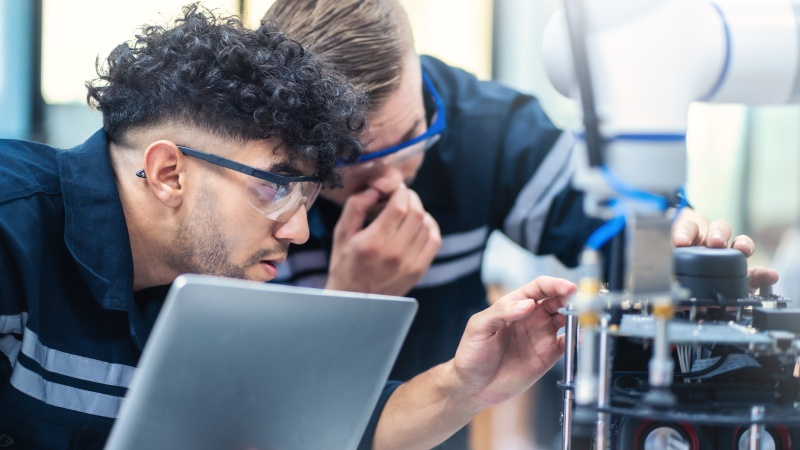
Conduct User Interviews
Research user needs through human factors engineering — conducting user interviews, observing real-world use, and translating those insights into measurable design requirements.
Generate Conceptual Models
Translate insights into design requirements and concept models — turning user research into specifications and early-stage 3D concepts that capture form, function, and ergonomic intent.
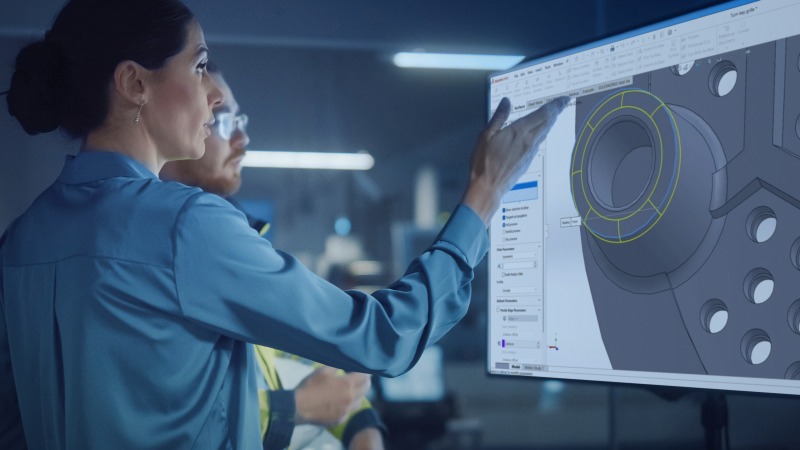
Build 3D Models
Build 3D models that bridge aesthetics and manufacturability — using surface modeling for organic forms while ensuring the design can be produced cost-effectively at scale.
Collaborate
Collaborate with mechanical engineering and manufacturing teams — handing off validated concepts for structural analysis, materials selection, and production planning.