SOLIDWORKS Design
Discover SOLIDWORKS Design, the industry-standard 3D CAD software with cloud collaboration, secure file management, and AI-powered features.
SOLIDWORKS
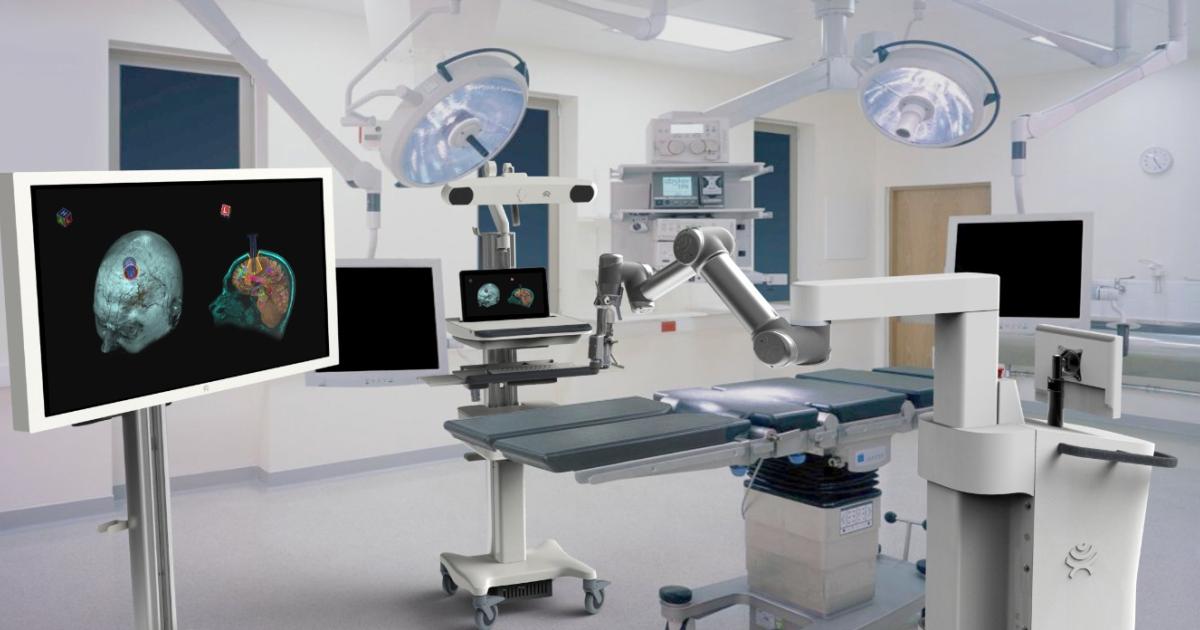
A medical device development and manufacturing firm uses SOLIDWORKS Design to turn early concepts into manufacturable clinical-ready devices.
Transform early-stage medical-device concepts into safe, effective, and usable designs that can be efficiently assembled and manufactured.
SOLIDWORKS Design for parametric 3D modeling, iterative prototyping, testing, design documentation, and manufacturing handoff.
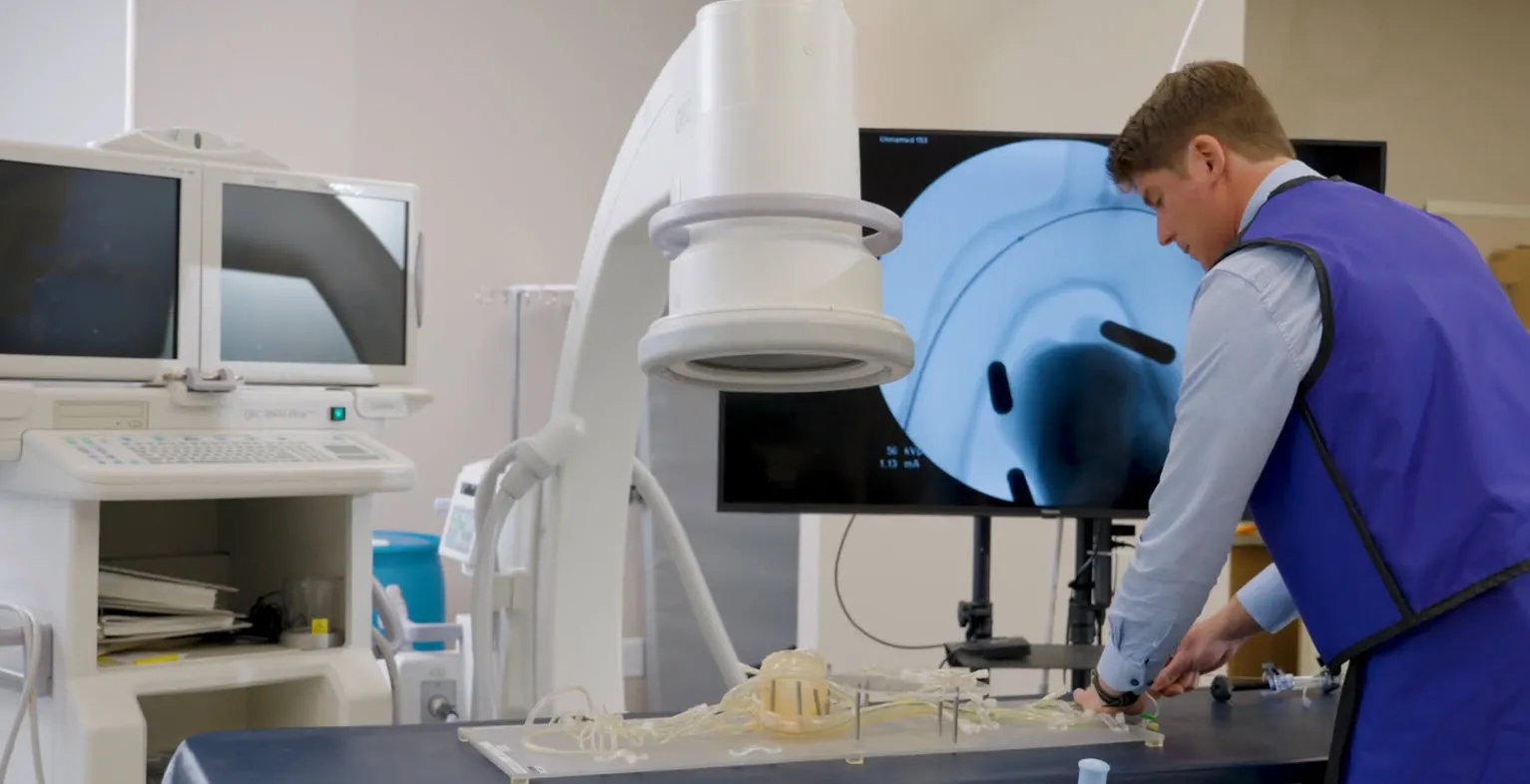
Medical devices are judged by more than specifications. Their design must also be manufacturable, well documented, and user-friendly for clinicians in practice. Clinicians will quickly flag a device that feels clunky or has a cumbersome interface. Advancing an early-stage prototype to first-in-human use is an engineering challenge shaped by usability, safety, and manufacturing requirements.
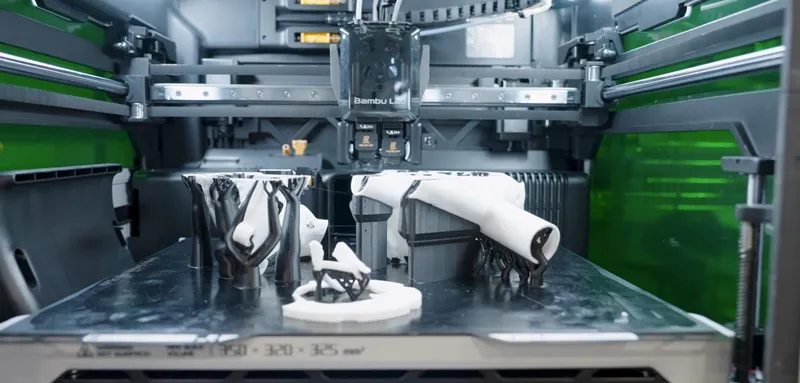
Nextern 3D Printing medical devices designed in SOLIDWORKS
Nextern, Inc., a contract engineering and manufacturing firm, partners with OEMs, clinicians, and innovators to design, develop, and manufacture world-class medical devices across the full product lifecycle. Its U.S. teams handle the design process, development, and engineering, and then support manufacturing operations in Vietnam, China, and Costa Rica.
Nextern engineers use SOLIDWORKS® Design throughout the product development process, from initial concept through manufacturing handoff. A project may begin with an existing CAD data model, but the objective is a clinically ready device designed for manufacturability and assembly.
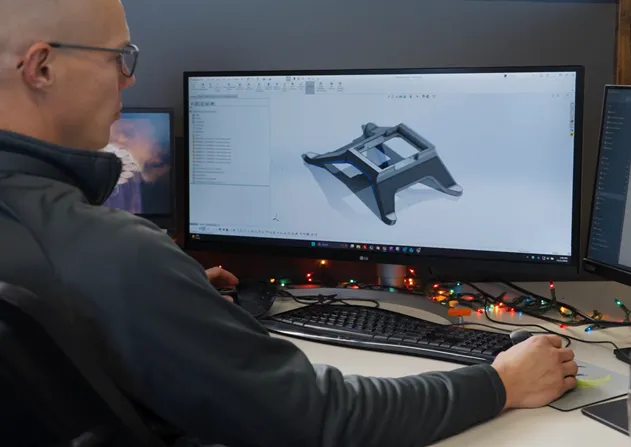
Nextern Mechanical Engineering Lead, Chris Narveson, designing with SOLIDWORKS
Discover SOLIDWORKS Design, the industry-standard 3D CAD software with cloud collaboration, secure file management, and AI-powered features.
SOLIDWORKS
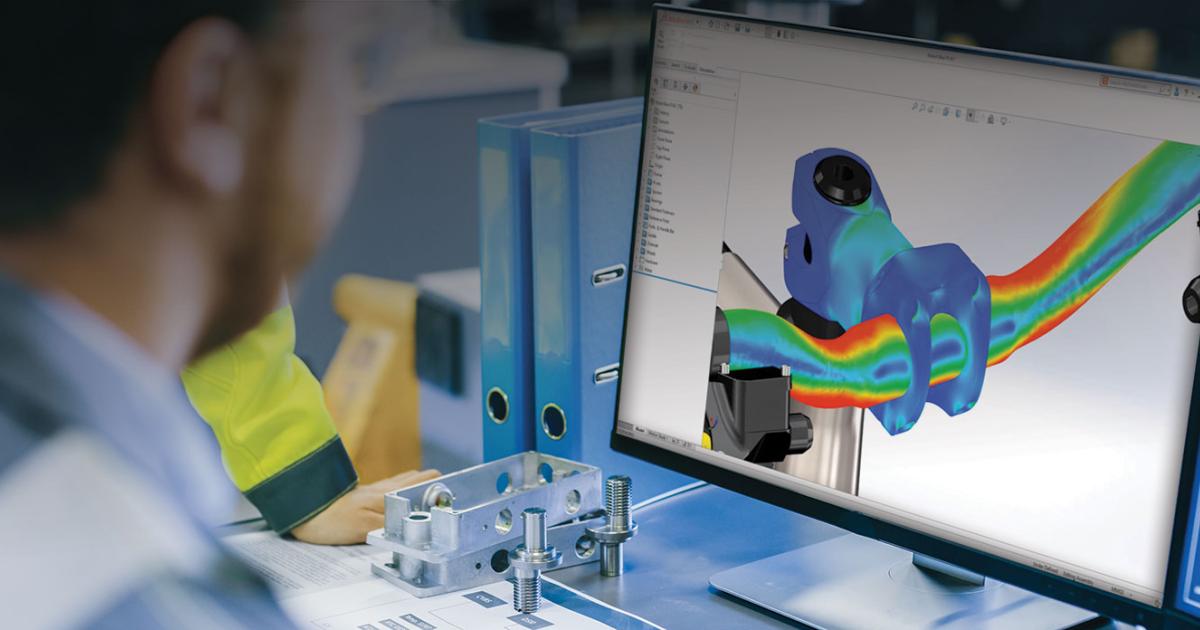
Make better design decisions with high-performance structural finite element analysis (FEA) software
SOLIDWORKS
Can advanced cloud-enabled simulation save the day from the zombie horde?
SOLIDWORKS
Our designers, especially our mechanical designers, have got to come in with SOLIDWORKS skills because that's the language we speak.
When projects arrive at Nextern before the original design intent has been organized into a stable parametric model, features may be difficult to revise. The geometry, however, must still move toward prototyping, human-factors evaluation, and production. According to Nextern Mechanical Engineering Lead Chris Narveson, “A lot of times, we'll get a model, and it's in various states of parametric disarray.” Sometimes, Nextern engineers find it easier to strip a model down to its basic shape and rebuild the design step by step. “Our big claim to fame is design for manufacturability and design for assembly,” notes Narveson. “These early-stage devices are not usually designed with manufacturability in mind.”
The cleanup is not only cosmetic. Nextern’s process must prepare designs for manufacturing and assembly. The team must also consider how clinicians will handle and operate a device and understand its interface. Poor usability in a medical device is more than an inconvenience. It can pose serious safety risks.
When Nextern’s engineering team begins a project, they decide whether to repair an existing model or remove its feature history and establish a new starting point. From there, SOLIDWORKS practical 3D modeling techniques enable them to iterate the geometry while also designing for manufacturability and assembly.
Using SOLIDWORKS Design the engineering team moves through design, engineering, prototyping, testing, and documentation in the same product development environment. Virtual prototyping creates more than a visual representation: The model becomes a working definition that can be revised as a device is developed. SOLIDWORKS is an integral tool at Nextern. Narveson emphasizes, “Our designers, especially our mechanical designers, have got to come in with SOLIDWORKS skills because that's the language we speak.”
Because SOLIDWORKS also functions as Nextern’s collaborative design tool, the company’s global manufacturing suppliers and extended team must leverage it, too.
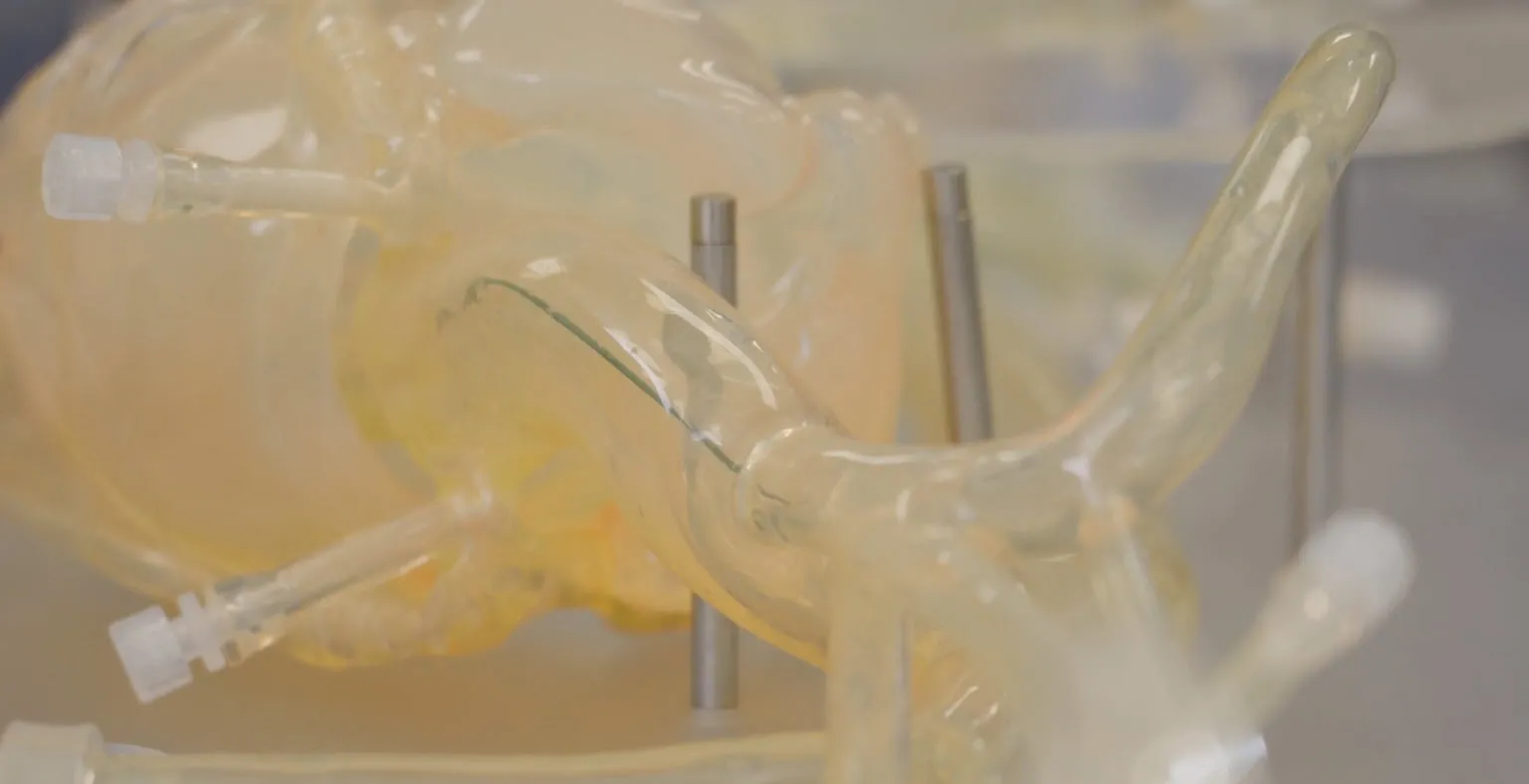
3D printed flexible parts designed for humans
The first test happens when clinicians encounter a device. Narveson explains, “If it's not a great design, people won't use it. And in our business, medical devices, there can actually be safety concerns if a device can't pass a human factors usability test. If the doctors or clinicians don't like it because it's clunky, or because the user interface or the basic human factors element of the design isn't great, they'll tell you. And they'll tell you right away.” That feedback reveals whether engineering decisions work for the clinicians expected to use the device.
The second test is whether Nextern can translate its completed engineering work into the documentation and detailed information needed for manufacturing. After design, prototyping, and testing, the team continues leveraging SOLIDWORKS to prepare documentation for the handoff to manufacturing. During this controlled transfer, design outputs must be verified as suitable for manufacturing success before they become final production specifications.
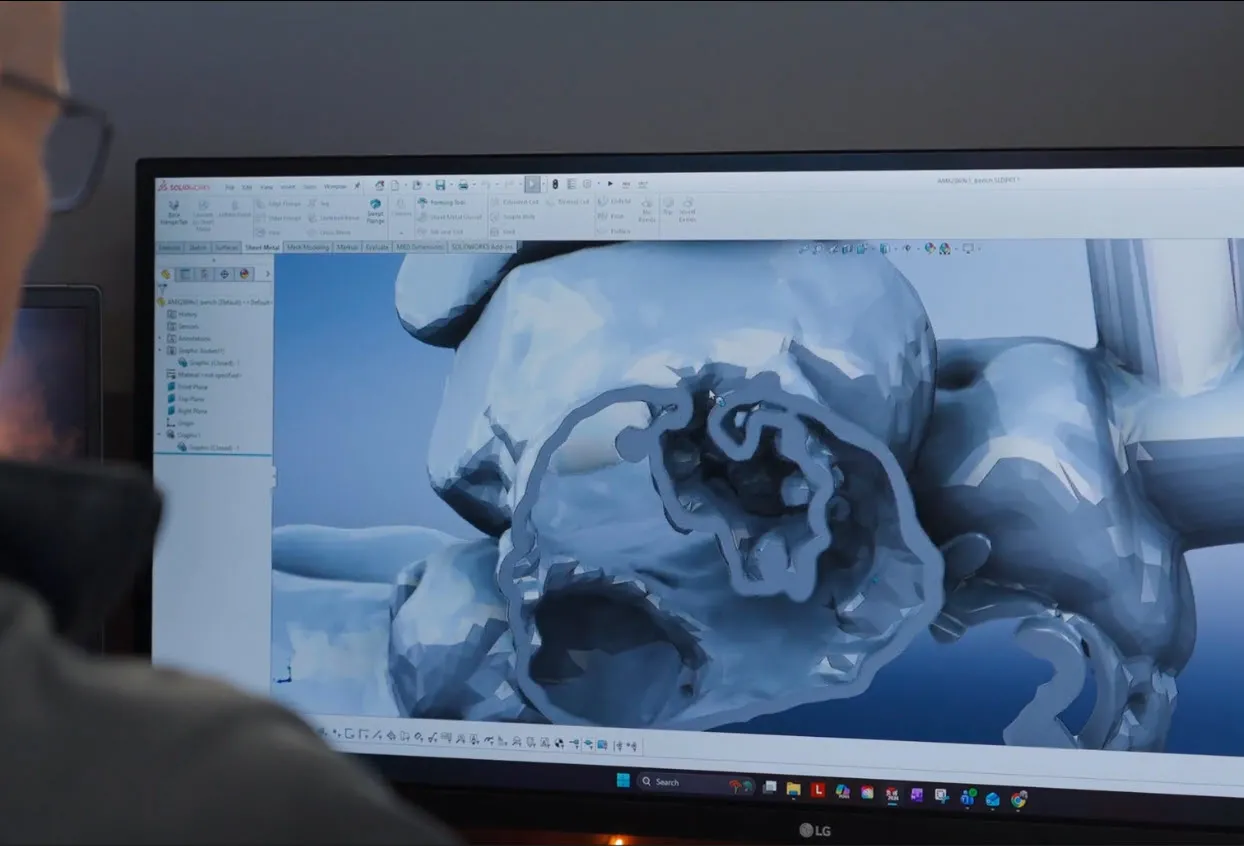
The Nextern engineering team uses SOLIDWORKS Design for design, engineering, prototyping, testing, and documentation within the same product development environment
Nextern’s work gains meaning when a device leaves development and enters clinical study. Narveson notes, “First-in-human use is always a big milestone for us. That means getting a device shipped for a clinical study. It's gonna get into the hands of doctors who are interested in improving people's lives with it.”
That milestone connects disciplined SOLIDWORKS Design modeling and design for manufacturability with the reality of medical-device development. The work begins with geometry, but it is proven through responsible execution, clinician acceptance, and manufacturing readiness.
Narveson concludes, “SOLIDWORKS is shoulder to shoulder with us when we're in the trenches on design, engineering, development, prototyping, and testing. And then [SOLIDWORKS] is there with us through the documentation process to get the packages done, get the submissions done, and get the manufacturing and process groups what they need so they can meet their KPIs and manufacturing deliverables.”
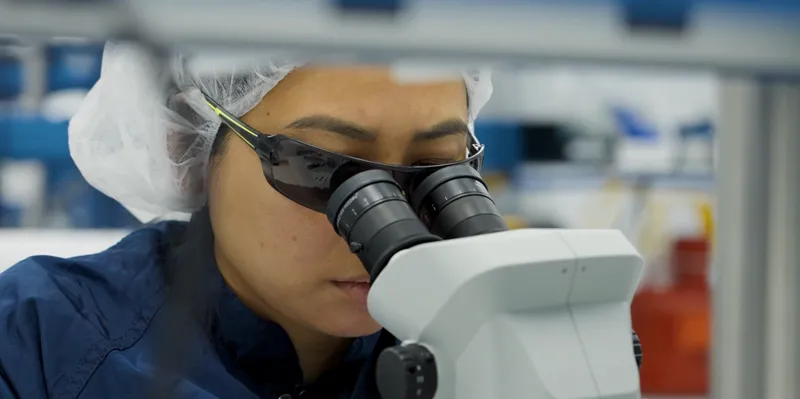
For Nextern, that continuity keeps every engineering stage connected to the original design intent. SOLIDWORKS Design provides a clear path from early innovation concepts through clinical readiness and manufacturing handoff, helping engineers reduce rework and move promising medical devices toward production with greater speed and confidence.
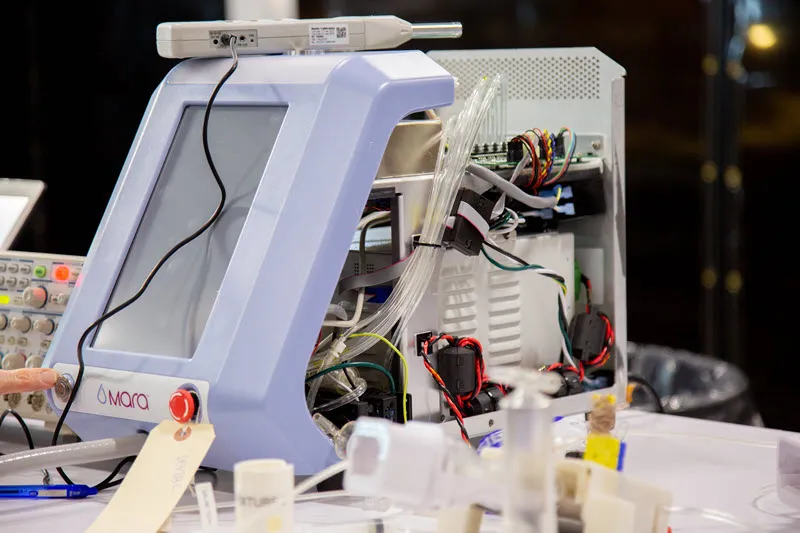
Innovate faster, design better & grow your career with SOLIDWORKS. Choose the industry standard 3D CAD solution trusted by professionals worldwide.
SOLIDWORKS
Discover collaborative design, its benefits, and tools to boost teamwork. Learn how SOLIDWORKS empowers innovation with seamless design collaboration.
SOLIDWORKS
Discover advancements in AI CAD tools and their impact on AI product design and how this delivers real-world outcomes for SOLIDWORKS designers.
SOLIDWORKS
Transform challenges into opportunities with 3DEXPERIENCE Works
SOLIDWORKS
SOLIDWORKS solutions enable you and your team to quickly transform new ideas into great products.